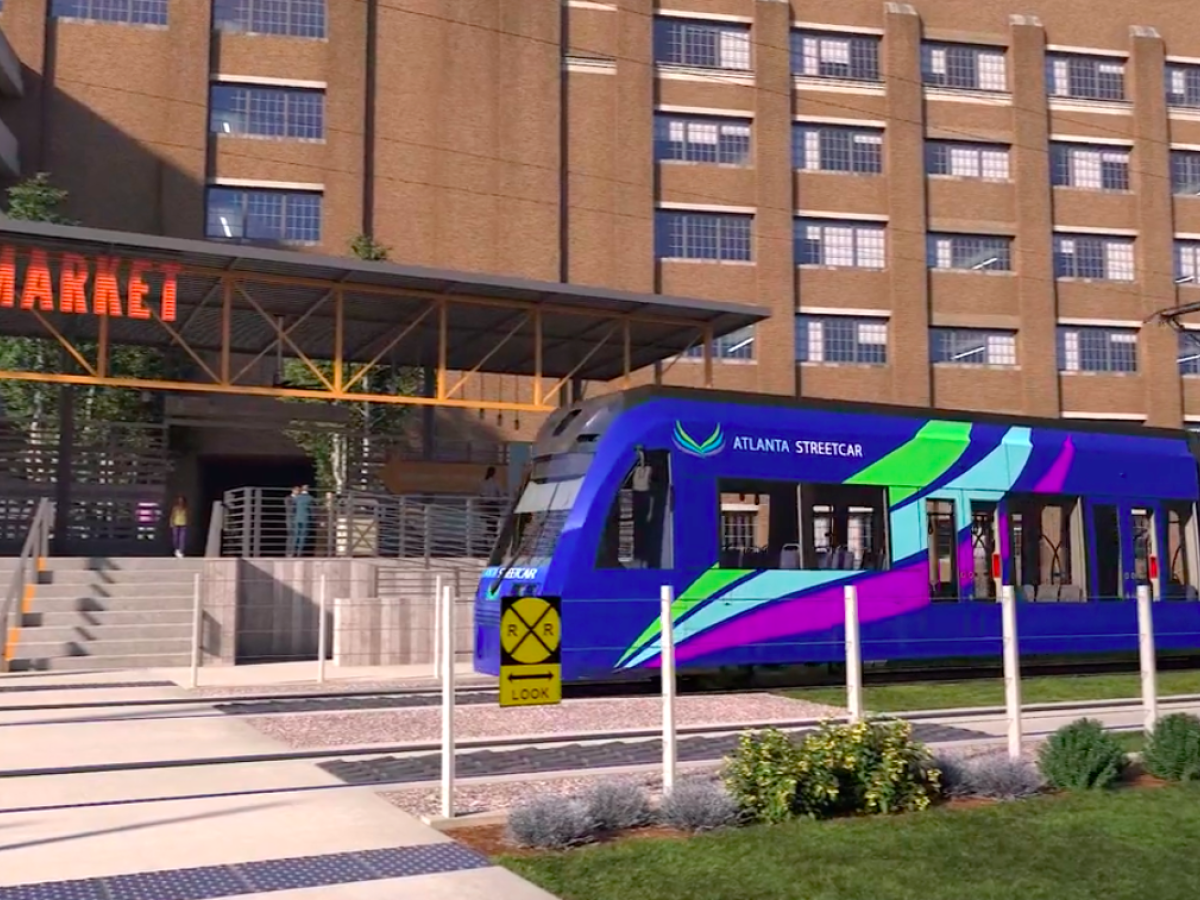
For more than twenty years, the Atlanta BeltLine has represented more than a walking path. From the beginning, it was envisioned as a transit corridor designed to connect neighborhoods, support growth, and guide the city’s long-term development.
That vision shaped real decisions. Homeowners, business owners, and developers invested along the corridor with the understanding that transit—not just green space—was part of the plan.
A recent report from The Atlanta Journal-Constitution revealed a shift that challenges that foundation and raises broader questions about transparency and public process.
A Decision Made Without Public Input
According to the AJC, more than six months ago a committee made up of representatives from the City of Atlanta, MARTA, and Atlanta BeltLine Inc. voted to stop all work on the Eastside BeltLine light rail project.
The decision was made during a closed meeting and was not disclosed to the public at the time. Following the vote, all design and planning work—representing millions of dollars in investment—came to a halt.
In the months that followed, public meetings and transit discussions continued, with officials referring to the project as being “on pause.” The internal stop-work decision itself only became public after the AJC obtained meeting notes through an open records request.
The MARTA Board of Directors, which typically approves significant changes to More MARTA projects, did not vote on this action. That has since prompted questions about whether the committee’s authority aligned with the scale of the decision.
Why the Process Matters Now
Atlanta is entering a critical moment. With the 2026 World Cup approaching, the city is preparing to present itself as connected, modern, and globally competitive.
That context makes transparency especially important.
Major infrastructure projects are not only about transportation. They are about trust. When decisions that affect long-term plans, public funding, and private investment occur without clear public communication, confidence erodes—even if the decision itself may have merit.
For residents and businesses along the BeltLine, the core concern is not simply whether light rail should move forward. It is whether decisions of this magnitude are made through a process that reflects their impact.
Vision for Development vs. Real-World Constraints
Some observers believe the decision reflects broader logistical pressures. Preparing for the World Cup has stretched city resources, and officials have discussed alternative transit approaches such as bus rapid transit, shuttles, or other mobility solutions.
Those conversations are necessary.
However, long-term growth depends on consistency and clarity. It becomes difficult to ask voters to support transit funding through programs like More MARTA if major projects can be quietly deprioritized without clear explanation.
As seen in other parts of the city, sustainable progress requires stewardship. Plans can evolve, but trust depends on how changes are communicated and who is included in the process.
The Larger Question for Atlanta
The BeltLine’s success as a public space is undeniable. It has become part of Atlanta’s identity. Still, it is important not to lose sight of its original role as a transit-oriented project.
The Eastside rail decision raises a larger question for the city:
How can Atlanta remain flexible in its planning while staying accountable to the public that funds and believes in these projects?
Infrastructure is not built solely with concrete and steel. It is built on trust in the institutions that manage it.
Bottom Line
The story of the Eastside BeltLine light rail is not just about one project or one vote. It is about governance, transparency, and the relationship between public agencies and the communities they serve.
Atlanta does not just need answers about transit. It needs clarity around how decisions are made, how priorities shift, and how the public is kept informed when they do.
As the city continues to grow and prepare for global attention, maintaining public trust may be just as important as building new infrastructure.
.png?width=800&height=200&name=atl%20vibes%20%26%20views%20(4).png)