Atlanta Housing told its Board of Commissioners on Oct. 28 that it has created or preserved 9,776 affordable homes since July 2022. The goal, set in a 2022 strategic plan, is 10,000 by 2027. That leaves 224 homes, or close to 2 percent of the target.
The number counts two different kinds of work, and the difference matters for anyone trying to read it. Some of those homes are newly built. Others are existing apartments that were refinanced and rehabilitated so they stay in the affordable stock. So the figure describes 10,000 homes reached, held or added across Atlanta, and not 10,000 units that did not exist before.
What the preservation side looks like
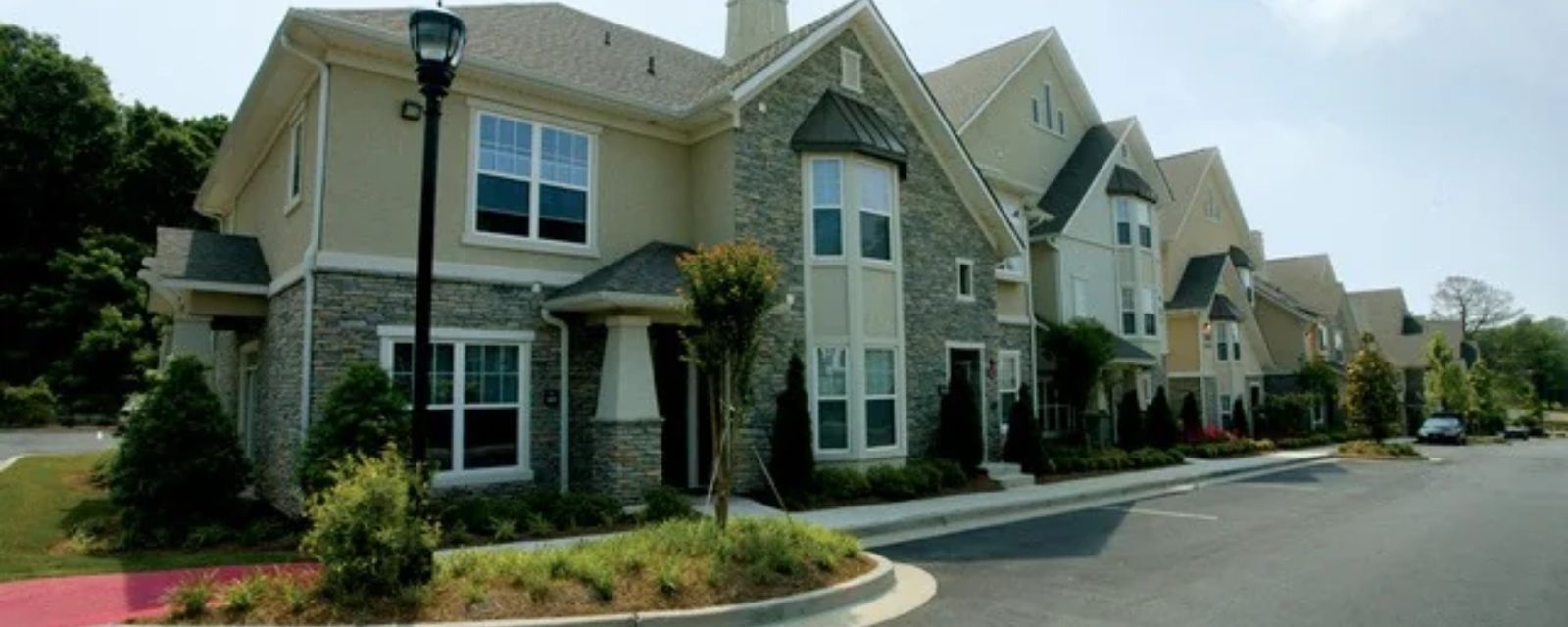
Sharese M. Reyes, the agency's interim chief operations officer and general counsel, presented the update and walked the board through two preservation transactions covering 282 apartments. Columbia Estates is a 124-unit community developed in 2003 on the former Perry Homes public housing site. Columbia Commons has 158 units. Directors of Atlanta Housing's affiliate corporations approved changes to the financing and ground lease arrangements at Columbia Estates, which clears the way for its rehabilitation and refinancing.
Those are households already in place. Nobody is moving into a new building. The work is about whether buildings from the early 2000s stay affordable for the next stretch of their lives, which is a less visible kind of housing production than a groundbreaking and counts the same on the board's scorecard.
The new construction side
On Oct. 8, Atlanta Housing broke ground on the second phase of the Bowen redevelopment with Mayor Andre Dickens, Councilmember Dustin Hillis, former residents and members of the Bowen family. The phase is newly named Ariel Place at Bowen: roughly $50 million, 112 homes, scheduled for completion in January 2028. Phase I next door is about 70 percent complete as of October.
A day after the board meeting, the agency marked another delivery. Heritage Village at West Lake, the former Waluhaje at 239 West Lake Ave. NW, reopened with an Oct. 29 ribbon cutting. Its 102 apartments are reserved for households earning no more than 30 percent of Area Median Income, backed by Atlanta Housing HomeFlex project-based vouchers and filled through a waiting list.
A new financing channel for builders
The board also approved, unanimously, the agency's Housing Development and Preservation Financing Bond Program, and applications opened in October. It finances new construction, acquisition and rehabilitation of multifamily housing, and it is open to developers prequalified through Atlanta Housing's Essential Function Bond Development Partners RFP.
The affordability terms are written into the qualification. A development has to reserve at least 20 percent of its units for households earning 50 percent or less of AMI, or at least 40 percent for households at 60 percent or less. For contractors, trades and developers already on the prequalified list, that is another door into the pipeline, and the rehab category means the work is open to buildings that already exist.
The agency reported a preliminary net position of $764 million as of Sept. 30, with operating revenues exceeding expenses by $6.6 million. Budget utilization sat at roughly 76 percent, partly because money designated for Rental Assistance Demonstration conversions had not been spent yet.
An agency release around October 2025 put the count at 7,801 units, 78 percent of the goal. By May 2026, officials said 88 percent. The Oct. 28 report puts it near 98 percent, more than a year ahead of the 2027 target year.
Atlanta Housing is only 224 homes from its goal, but reaching 10,000 should not end with a victory-lap announcement. The public needs a clear breakdown of how many of the 9,776 homes are newly built and how many were preserved. Both matter, but they solve different problems. New construction adds another affordable address. Preservation keeps an existing home from leaving the affordable stock. Combining them without publishing that split makes it difficult to measure how much supply Atlanta gained. I will be watching whether the Columbia financing closes and rehabilitation begins, how many projects the new bond program actually delivers, and whether Atlanta Housing publishes a project-by-project ledger showing what opened, what was preserved and how long each home must remain affordable.


