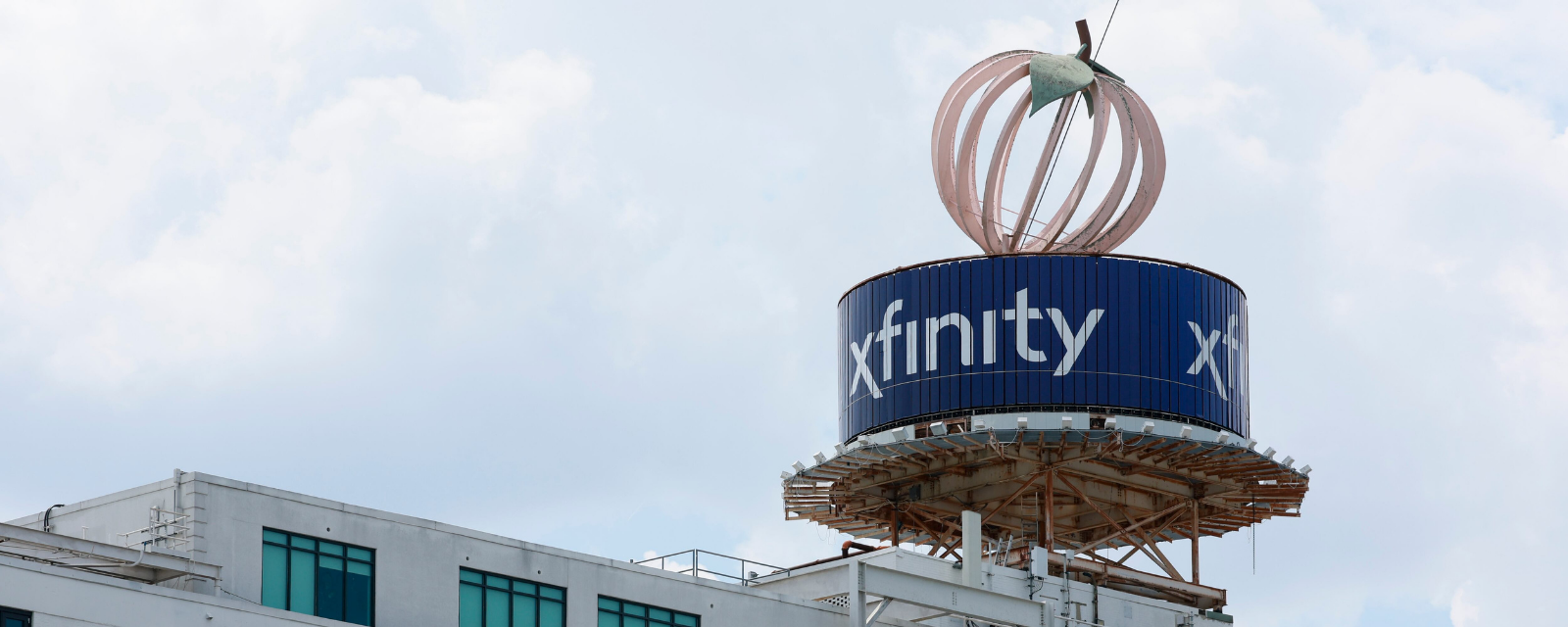
The iconic Peach building — yes, the one with the massive peach sculpture you've definitely spotted from the Downtown Connector — just got seized by Fannie Mae through foreclosure. The lender took control of the 68-unit apartment tower at 1655 Peachtree Street NE on April 7 after winning the foreclosure auction with a bid of $24.6 million, according to documents filed with Georgia Superior Court.
This isn't just another foreclosure story. The 12-story building has been a Midtown fixture since 1964, and the circumstances around this seizure involve allegations that the previous owner falsified lease documents to inflate the property's value. That's not a minor paperwork issue — that's the kind of fraud that can unravel an entire deal.
What Actually Happened Here
Lument Real Estate Capital issued the foreclosure notice last month scheduling the auction, and when the gavel dropped, Fannie Mae won the bid. The building overlooks the highway with that unmistakable peach sculpture on top and a billboard that's been part of Atlanta's visual landscape for decades. But behind that recognizable exterior, the ownership had been facing serious legal challenges.
The accusations? That the developer submitted fake leases to secure better loan terms by making the building appear more valuable and fully occupied than it actually was. When lenders like Fannie Mae discover that kind of misrepresentation, foreclosure becomes almost inevitable. They're not going to let a loan ride when the fundamentals were based on doctored numbers.
Why This Building Matters to Midtown
The Peach isn't just another apartment complex. It's a landmark that's been part of the Atlanta skyline since the mid-60s, positioned right where Peachtree meets between Buckhead and Midtwon areas. The building's 68 units are relatively small by today's development standards, but its location and visibility make it prime real estate in a city that's constantly evolving its housing options for young professionals.
For context, Atlanta's multifamily market has been hot, with deals like the recent $240 million in senior housing sales showing just how much capital is moving through our housing sector. A $24.6 million foreclosure on a visible property signals that even established buildings aren't immune to financial trouble when the fundamentals don't hold up.
What Happens Next
Now that Fannie Mae owns the property outright, they'll likely stabilize operations and either hold it as part of their real estate portfolio or put it back on the market. The building's location alone makes it attractive to investors who can properly manage and potentially renovate the units. But any buyer will need to factor in the building's age and the work required to bring it up to modern standards while maintaining that iconic peach sculpture that makes it recognizable.
The foreclosure also raises questions about how many other properties might be carrying inflated valuations. When one building gets caught with falsified documents, it makes lenders look harder at everything else in their portfolio.
Losing a building this visible to foreclosure isn't just a financial transaction — it's a reminder that Atlanta's development boom has real consequences when deals go sideways. The Peach has been watching over the Connector since JFK was president, and whoever takes control next needs to respect that history while making the building financially viable. I hope the next owner sees this as an opportunity to preserve a landmark while bringing it into 2026. Atlanta doesn't have an unlimited supply of buildings with this much character, even if that character is a giant piece of fruit on the roof.


