The Pitch Sounded Like a Rare Open Door
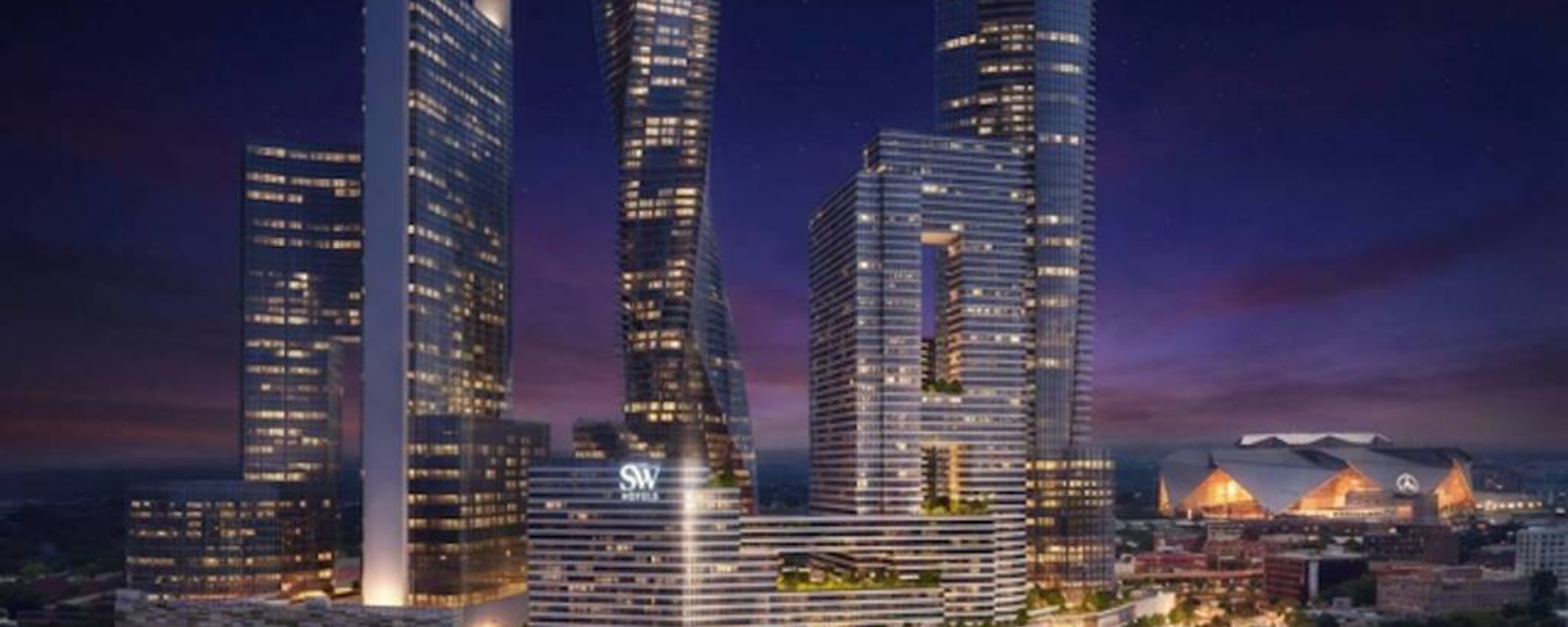
Five thousand dollars for a discounted stake in the tech company behind a $3.8 billion development in South Downtown, and a chance to own a piece of where Atlanta is heading. Terrence Ruffin says what he got instead was three months of silence and a stack of excuses.
Ruffin walked me through the whole thing himself, and his account is the reason this story is worth telling carefully. He co-founded a roughly 25-member Atlanta investing club in 2025, mostly to swap stock tips, until a project called Forge Atlanta, from a fledgling tech firm called Webstar Technology Group, landed in front of the group. The minimum buy-in was $5,000 for discounted shares in Webstar. Ruffin paid it. Across the group, members put in around $20,000 combined.
What Ruffin Says He Wasn't Shown
This is where the details matter. According to Ruffin, the share certificates never came. A week or so, he was told. Then three months passed. When he pushed, the answers shifted, first a lockup period, then word that the money had gone to expenses and was no longer sitting in escrow. He says he was never told the deal hinged on seller financing, or that Webstar did not own the Forge Atlanta land outright.
That last detail carries the most weight. Bisnow's reporting lays out the structure: Forge Atlanta Asset Management bought the 10-acre site for $34.5 million, financed almost entirely by a $33.7 million loan from an entity controlled by Atlanta food magnate Russell McCall. The loan was set to mature in March, then April, and Webstar defaulted before securing an extension to October that came with $1.9 million in fees and interest. A company with no revenue and barely over $1,000 in cash at the end of March, according to its own SEC filing, was the vehicle for a $3.8 billion vision. None of that financial reality, Ruffin says, was on the table when the group was asked to wire money.
In March, Ruffin filed complaints with the FBI, the SEC, FINRA, and local police, accusing consultant Eric McClendon of running a Ponzi scheme. These are allegations, and McClendon has denied them, calling the complaints a "nothing burger" in an interview with Bisnow and blaming media coverage for the alarm. McClendon has said he is not a licensed broker-dealer because his focus is helping clients secure financing. Webstar's corporate attorney told Bisnow that McClendon's actions were private and outside the company. Ruffin's $5,000 was refunded on June 18. He told me he is still pursuing every complaint he filed.
The Number That Should Have Made Everyone Squint
A $3.8 billion plan on 10 acres, pitched by a company most Atlantans had never heard of, is exactly the kind of figure that earns a second look. If a neighbor texted you that pitch, you would ask the questions Ruffin is now asking in regulatory filings. That instinct to pause is the whole point. Bisnow has the full paper trail, the loan documents, the SEC filings, the back-and-forth with every party named, and it is worth reading in full if you want the receipts.
Why a Pitch Like This Finds an Audience Here
Atlanta sells itself as the place where Black wealth gets built, and for good reason. This is a city of Black professionals, Black entrepreneurs, Black investors who watched the skyline change and wanted a real stake in it, not just a seat in the audience. The opportunities here are not handed out evenly, and plenty of people have been shut out of commercial real estate everywhere else they have tried. So a deal that reads as the door finally opening carries an emotional weight that has nothing to do with the spreadsheet. That hunger is legitimate. It is also exactly what a too-good-to-be-true pitch leans on, because the same drive that makes you want in is the drive that talks you out of asking the hard questions first.
After 25 years selling real estate in this city, the lesson here is old and it still holds. If it sounds too good to be true, it usually is. None of that means you sit out Atlanta's boom, because the opportunities are genuine and the people chasing them are right to want in. It means you slow down long enough to ask the boring questions. Who owns the land. Where does my money actually sit. Can you show me, in writing, before I wire a dollar. Ruffin asked those questions, eventually, and they are the reason he has his refund and a paper trail. The neighbors who get burned are almost always the ones who got swept up before they asked. Want in on what Atlanta is becoming? Good. Do the homework first, every single time.