For years, the seven acres at 840 Woodrow St. SW held cars and trucks behind a fence. It was the kind of Oakland City parcel you eventually stopped noticing.
Now it has a name, a leasing office and its first residents.
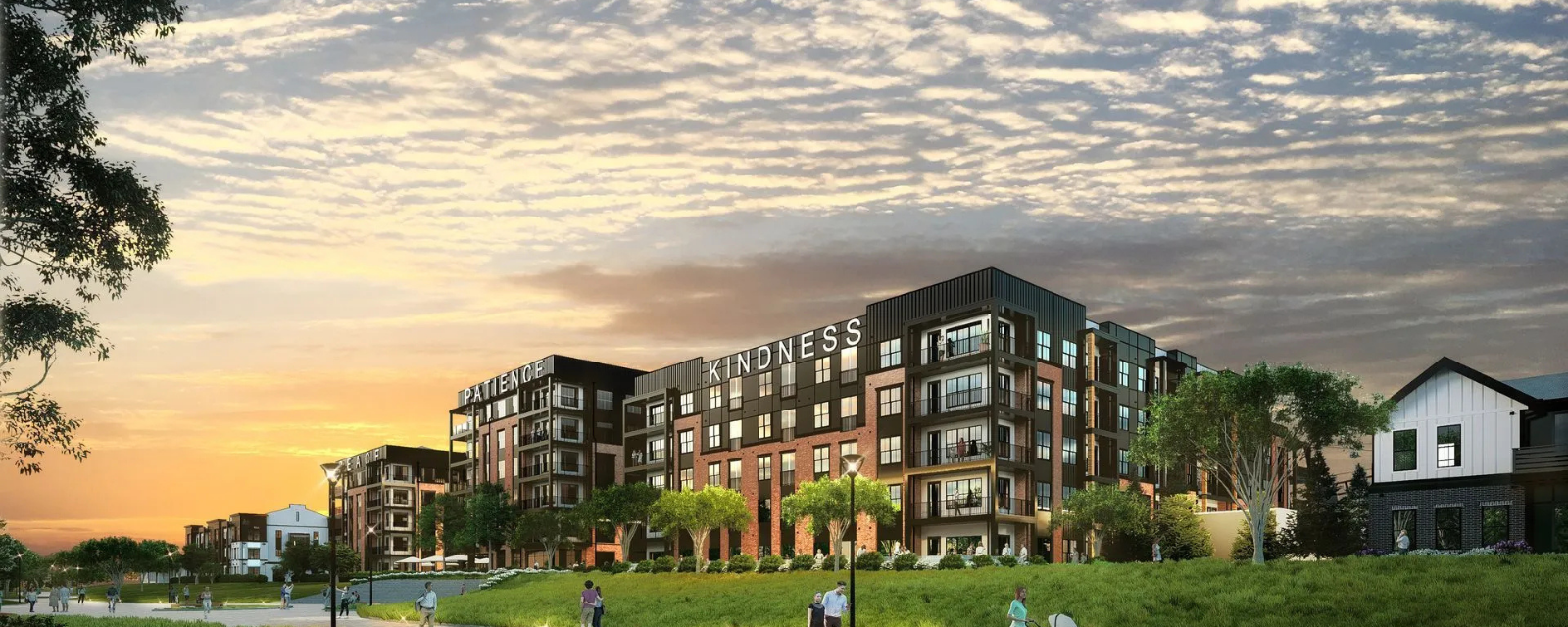
Woodrow House opened its first 25 rental townhomes on Aug. 24. But the story is bigger than townhomes starting above $3,000. The full development will offer 325 studios, apartments and townhomes at several price points.
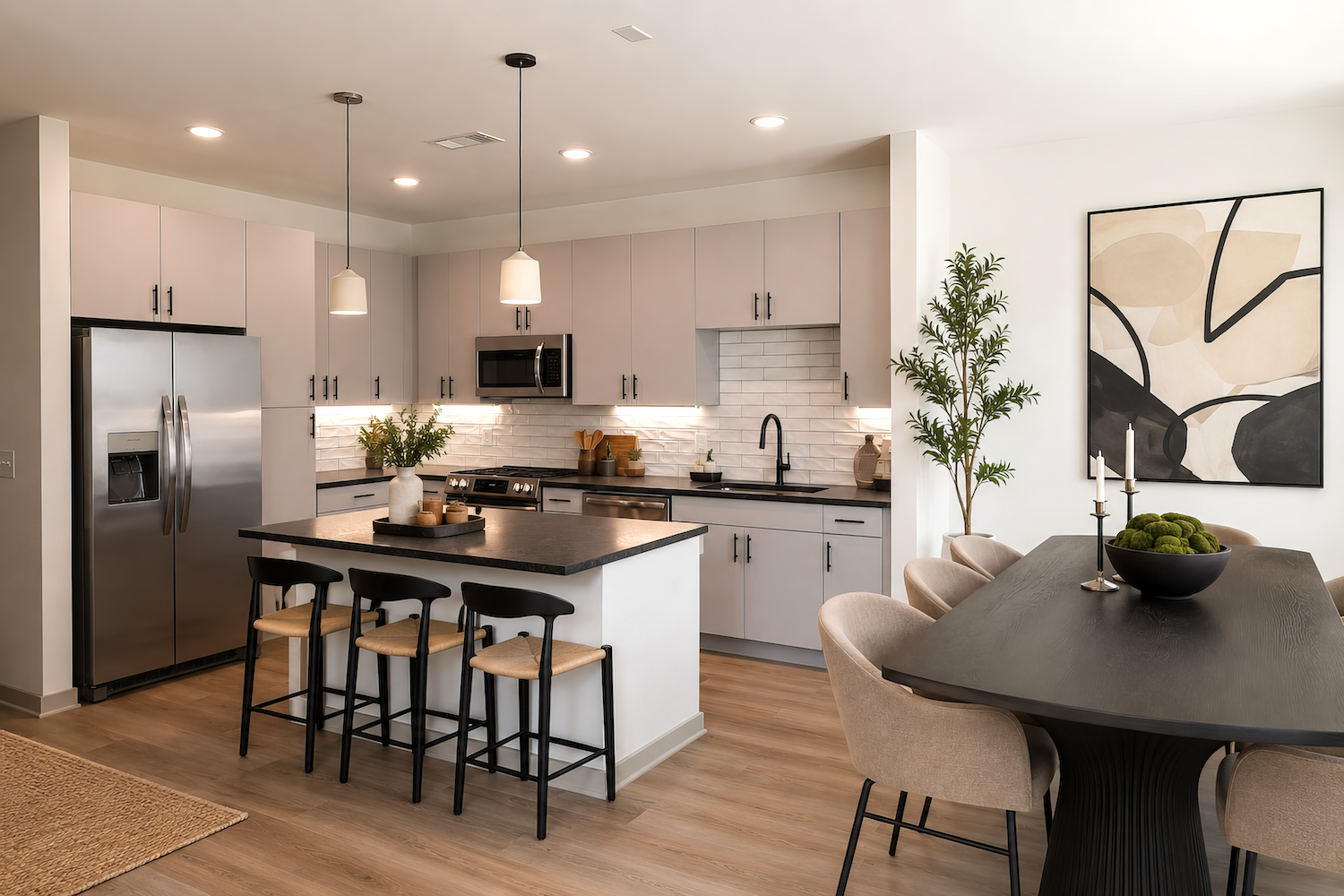
Studios are advertised from $1,410. One-bedrooms start around $1,650, and two-bedrooms start at $2,085.
For two friends splitting a two-bedroom, that base rent comes to about $1,043 each before utilities and fees. That is a different calculation from one person carrying the full rent, especially for a new apartment one block from the BeltLine and within walking distance of Oakland City MARTA.
Woodrow House is also advertising a limited pre-leasing special that allows renters to secure a home for $99 and receive two months free. Specials expire, so the base rent is still the number renters should use when comparing long-term costs.
What is open and what is still coming
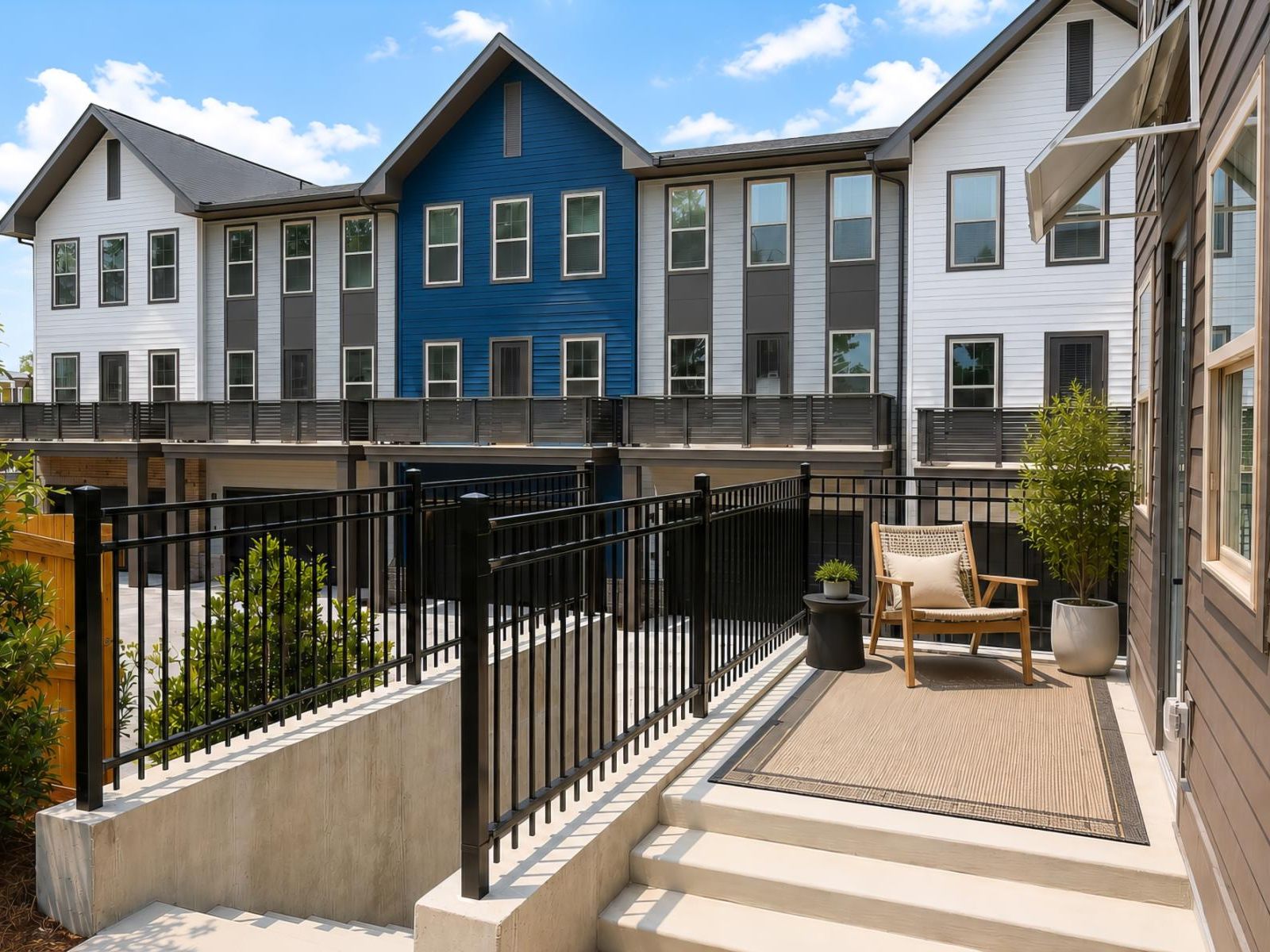
The first 25 homes are three-story townhomes with three or four bedrooms, private garages and outdoor space.
The three-bedroom layout starts at $3,079 for 2,073 square feet. Split among three adults, that is about $1,026 each before utilities and fees. A four-bedroom layout starts at $3,279.
The apartments are still pre-leasing, with current listings showing availability beginning in November. That is when renters should start seeing the full range of studios and one-, two- and three-bedroom apartments behind the pricing now advertised online.
The project also plans more than 12,000 square feet of neighborhood retail facing a proposed BeltLine spur along Woodrow Street. A coffee roaster has been discussed, but no tenant has been publicly named.
The income-restricted apartments now have prices
Woodrow House is expected to include about 65 income-restricted and workforce apartments at full build-out. Five percent of the development is also designated for households earning between 30 and 50 percent of Area Median Income.
The project’s workforce housing page now lists starting rents based on 2026 income guidelines:
A workforce studio starts at $1,280. A one-bedroom starts at $1,440, a two-bedroom at $1,791 and a three-bedroom at $2,396.
Eligibility depends on household size and income. For example, the published income range for one person applying for a studio is $41,250 to $66,000. A four-person household applying for a two- or three-bedroom can earn up to $94,250.
Those apartments are not simply cheaper versions available to everyone. Applicants must document their income and meet the program’s requirements.
What the public helped pay for
On April 22, 2025, Develop Fulton unanimously approved a $76.76 million bond resolution connected to the project.
That is a development-authority bond and tax-abatement arrangement, not a $76.76 million government check. Private investors fund the construction, while the project receives an estimated $3.5 million in tax savings over ten years.
In exchange, the development committed to its income-restricted housing, commercial space and other community benefits. The site also required about $1.5 million in brownfield cleanup before homes could be built on the former truck yard.
Nearby, Oakland Exchange is taking a different approach. The warehouse conversion across from Murphy Crossing plans 126 loft apartments, with 60 percent designated as affordable. Woodrow House has a smaller percentage, but it is a larger ground-up project with more housing types.
Different financing tools produced different affordability commitments. Neighbors are still entitled to compare what each one delivers.
My Take
I do not think $1,410 is an outrageous starting price for a new studio this close to the BeltLine and MARTA. A $2,085 two-bedroom also looks different when two friends can split the base rent. That does not make every apartment affordable to every Oakland City resident. It means the real story is the range. Woodrow House gives renters the option to live alone, share an apartment, qualify for workforce housing or rent a larger townhome with other adults. The test now is whether every part of that range actually opens at the prices being advertised..
If you live off Murphy or Woodrow, does the new fence line at 840 Woodrow feel like it opened toward your block or away from it?