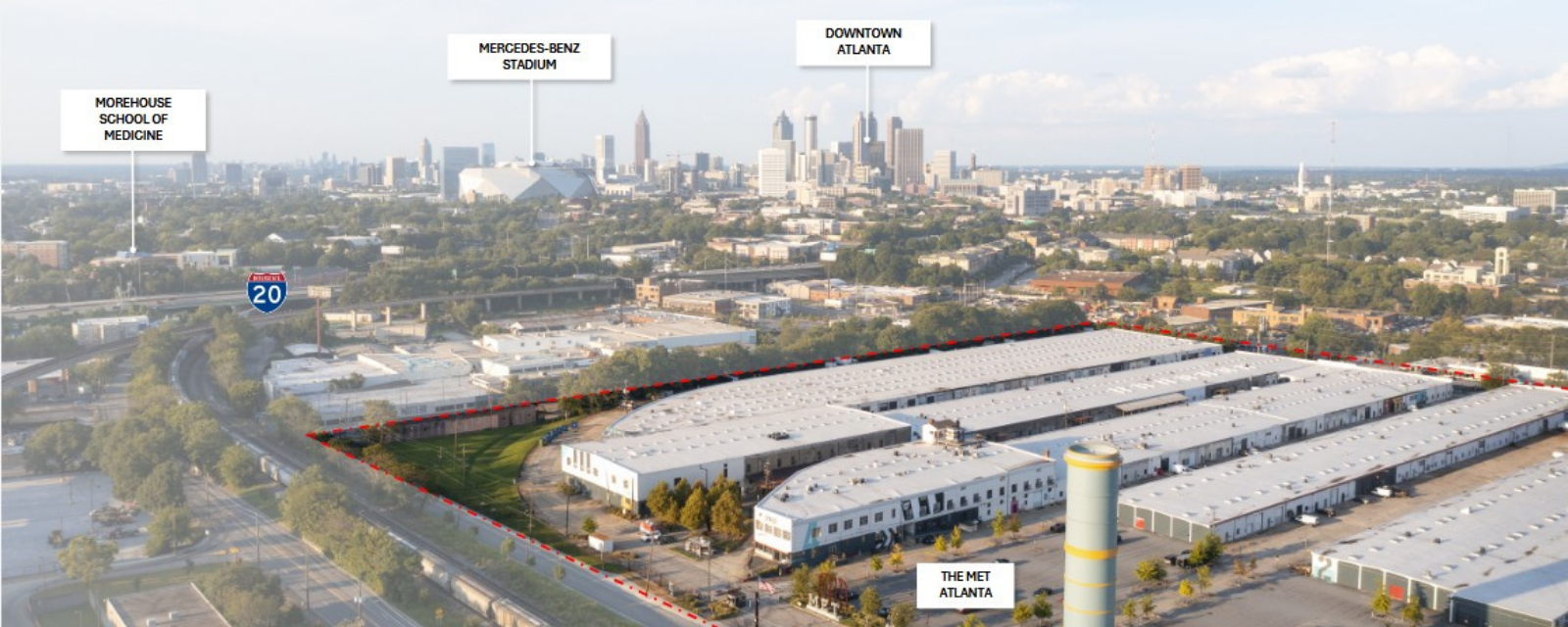
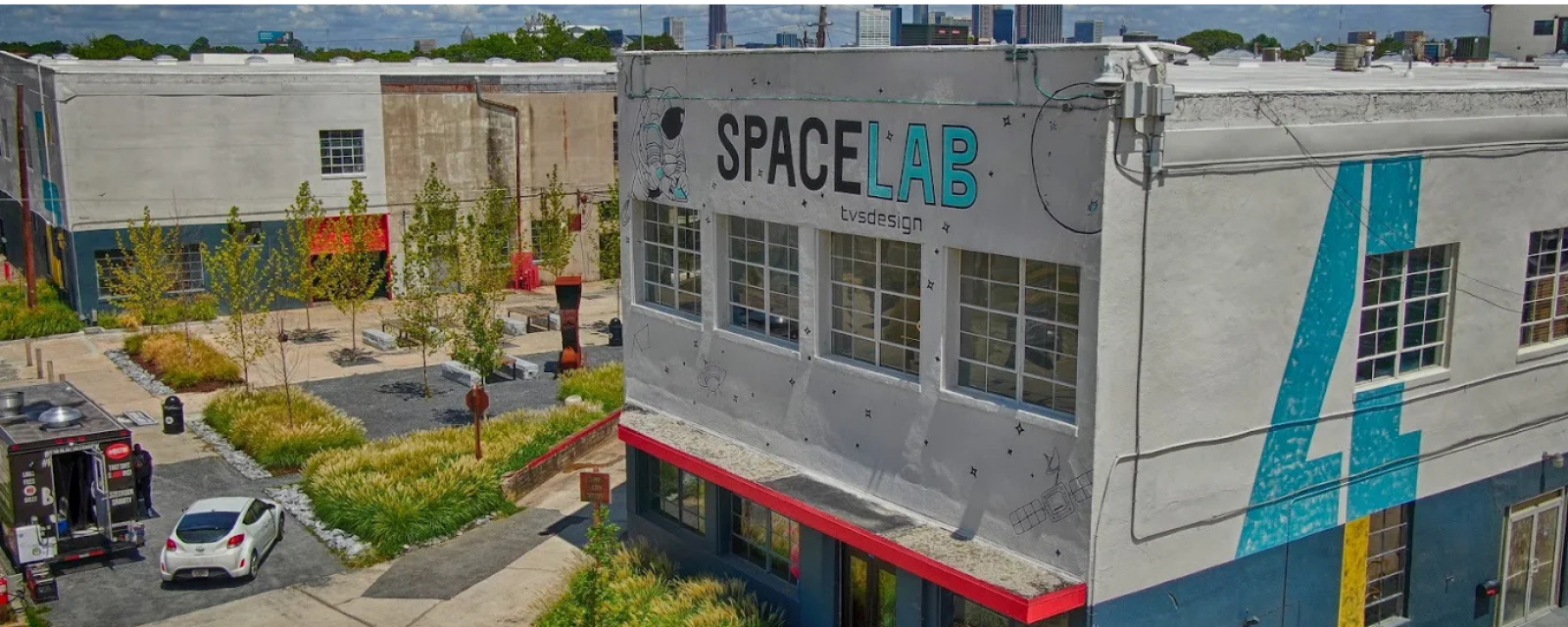
The MET complex stretches across roughly 40 acres between Murphy Avenue and Metropolitan Parkway. Its main entrance and the address used by most tenants is 680 Murphy Ave. SW. Atrium and Morehouse identify the proposed hospital site as 675 Metropolitan Parkway SW, an address on the other side of the same complex.
The MET is not empty. The 1.1 million-square-foot warehouse complex still houses businesses, nonprofits and production studios.
On Aug. 21, 2026, Morehouse School of Medicine and Atrium Health announced plans to build a teaching hospital and healthcare network on the property. Atrium has committed more than $700 million in capital and clinical investment.
The state cleared the project to move forward, but there is no construction date, opening date or public plan for the organizations already at the MET.
What the hospital would include
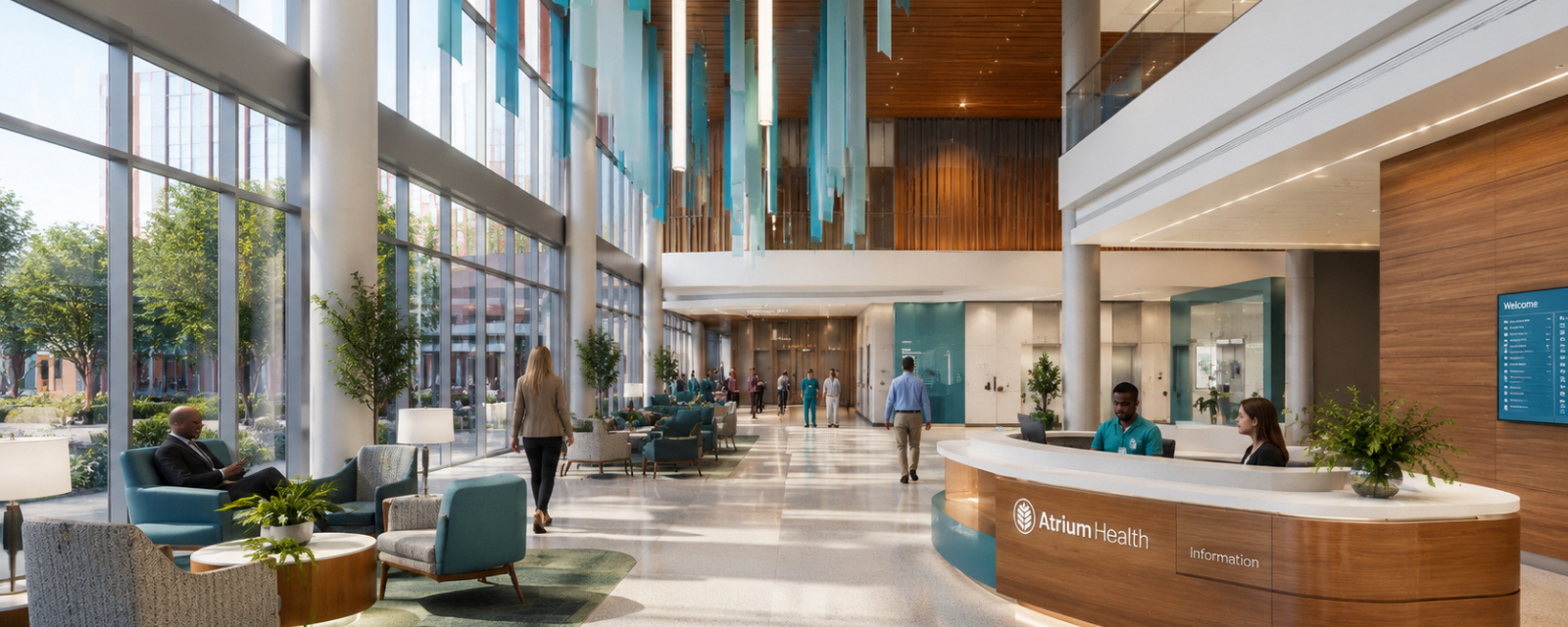
The hospital would open with approximately 50 beds and provide 24-hour emergency care, Level III trauma care, obstetrics, neonatal intensive care, adult critical care and advanced imaging.
The broader network would bring primary, urgent and specialty care to Central and South Fulton County. That could help residents who have traveled farther for care since Atlanta Medical Center closed in 2022.
But nothing changes about anyone’s emergency drive time yet.
The official announcement promises more community meetings but provides no groundbreaking or opening date.
The bed numbers still need an explanation
Atrium’s June state filing said the hospital would open with 50 beds and remain below 381 beds to qualify for an exemption from Georgia’s normal hospital review process.
The August announcement says it could eventually expand to more than 700 beds. Atrium and Morehouse have not publicly explained the difference or what additional approval that expansion would require.
Who is operating at the MET now
Current tenant websites still list several organizations at the complex.
Nebo, a digital agency, signed a 10-year lease in 2020. Big Brothers Big Sisters of Metro Atlanta operates its headquarters there.
The Georgia Center for Child Advocacy runs a specialized Fulton County facility at the MET. Other tenants include Beyond Bedtime, SOPO Bicycle Cooperative, Chil Studios and A. Tyner Antiques, which operates a 35,000-square-foot showroom.
Some organizations have invested in specialized facilities or signed long-term leases. Yet the hospital announcement does not say which buildings will remain, when tenants must leave or whether relocation help will be available.
Former tenants have already described difficult moves
ATL Glassworks owner Day Kennedy told Atlanta News First that she relocated after the MET was sold “to be demolished.” Preparing a new Hapeville location left her paying two rents while facing construction delays. The Hapeville store now lists itself as open.
La Bodega moved to Sylvan Hills in 2024 after pandemic and landlord-related problems prevented its owners from expanding at the MET. Owner Jeannette Flores-Katz said the property sale did not cause the move. She described the smaller building she purchased this way: “It’s tiny, but it’s mine.”
MINT Gallery also closed in 2024 because of its own financial problems, forcing 16 artists to leave with eight days’ notice.
The money is not fully settled
Atrium paid nearly $70 million for the property in 2024. Its $700 million commitment covers the hospital and broader care network, but the announcement does not explain how or when that money will be spent.
The City of Atlanta is expected to contribute more than $115 million. Atlanta City Council has also asked Fulton County to commit $200 million over ten years, but no final county agreement has been announced.
Southwest Atlanta needs more hospital and emergency care. That does not make the people already working at the MET an afterthought.
Before demolition begins, Atrium and Morehouse should publish a tenant timeline, identify which buildings will remain and explain what relocation help will be available. A healthcare project created to serve the community should start by answering the community already there.
If your business or nonprofit operates at the MET, what have you been told about your lease or move-out date?


