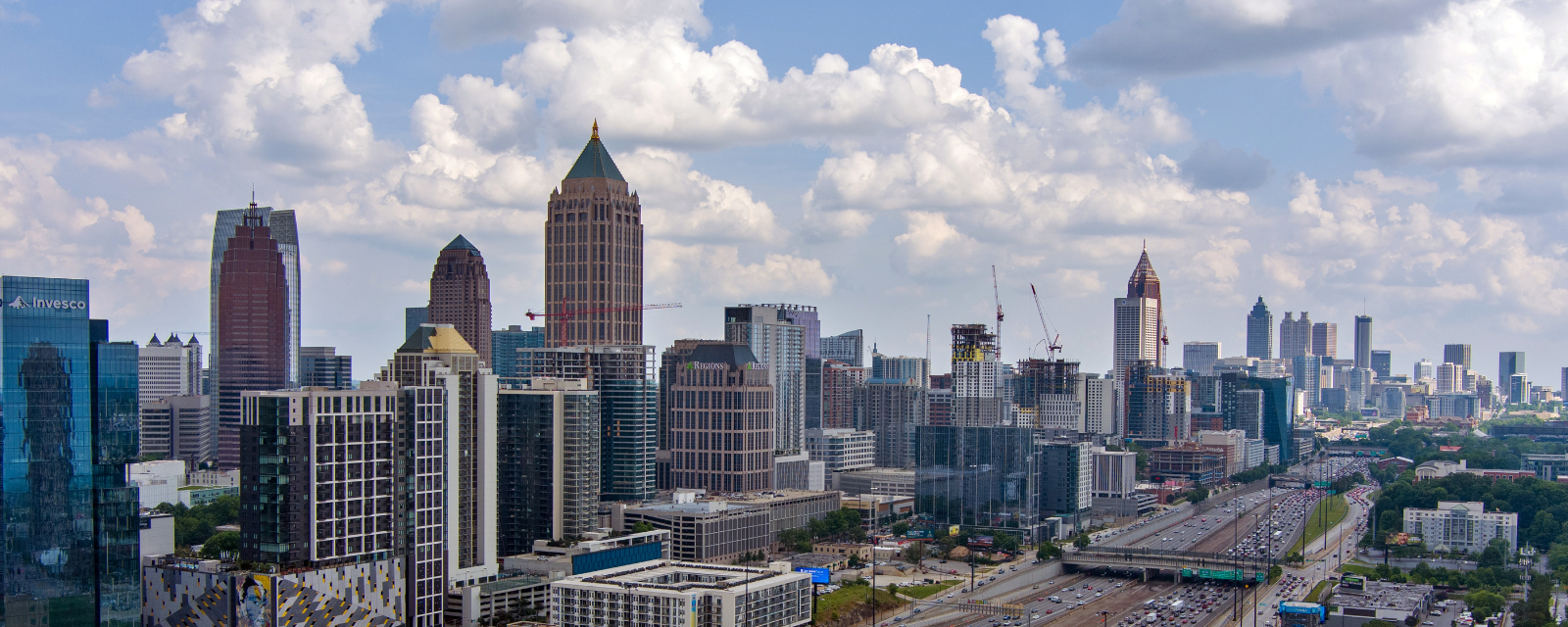
Bad news for everyone waiting on Atlanta rents to come back down to earth: the numbers just came in, and the wait is going to outlast your lease. A new second-quarter analysis from Marcus & Millichap lays out a metro where new apartment construction has collapsed while demand keeps climbing, and there's only one direction rent goes in that equation.
Here's the honest version of what most of us were hoping. The last few years buried Atlanta in new apartment towers, and the logic seemed simple: build enough units and prices eventually crack. Some of that even happened, with lease-up specials and free-month deals floating around town. That window is closing, and this report is the receipt.
The building boom is over, quietly
Roughly 9,300 apartments will open across the entire metro this year. That sounds like a lot until you learn it grows total inventory by just 1.6 percent and represents a 43 percent drop from last year, the slowest pace since 2021. Intown, the falloff is starker: earlier projections from the same firm put new openings in the Downtown and Midtown core at only around 600 units for all of 2026. You don't need a spreadsheet to verify this one. Stand at Peachtree and 10th and count the tower cranes. The developers who fed the boom hit the brakes on new starts when financing tightened, and the projects already underway simply finished without much behind them.
Why fewer buildings means higher rent, guaranteed
Three forces are stacking on the demand side while supply thins out. Vacancy sits at 5.6 percent, and Atlanta is on pace for the second-steepest vacancy drop of any major U.S. metro. Around 16,000 new jobs are expected to land here this year, every one of them a potential renter. And the exit door to homeownership is jammed: across nearly every major U.S. market, the gap between average rent and an average monthly mortgage payment now tops $1,000, which keeps would-be buyers renting and competing for the same units you are.
The results are already showing up. Metro rents have climbed to about $1,600 a month, among the strongest year-over-year growth in the country for early 2026, and the same analysts project the average pushing toward $1,650. If a landlord reads these numbers, and they all do, the case for offering you a concession at renewal gets weaker every quarter.
The one place the squeeze isn't landing
The tightening is not uniform, and this is the part worth clipping. Vacancy actually rose over the past year in Norcross, Clarkston, Doraville, and Buford, suburbs with large foreign-born populations, which the report connects to immigration-related pressures on those communities. So while intown landlords gain leverage, some OTP submarkets are loosening. For anyone rethinking where to sign next, our guide to the best neighborhoods in Atlanta for young professionals in 2026 reads differently with this map in mind.
The ownership side is wobbling in its own way. Fannie Mae foreclosed on the Peach Building, a reminder that a landlord-friendly market and a healthy one aren't the same thing. Midtown's long-term density plans haven't disappeared either; our look at the MARTA Arts Center high-rise proposals shows what could rise once money loosens up. And Urbanize Atlanta has the full report if you want every chart.
Hoping rents fall is not a plan, and after 25 years watching this market, the setup could not be clearer: shrinking supply, growing jobs, locked-out buyers. Rents are going up. The move is to negotiate your renewal now, before landlords fully price in their new leverage, or seriously shop the submarkets where vacancy is actually rising. The renters who act on this report will beat the ones who wait for relief that isn't coming.


