Last week we covered how Warnock's provision in the 21st Century ROAD to Housing Act became federal law, capping large institutional investors from buying more single-family homes once they hit 350. Here's what's actually happening now that the ink is dry: private equity isn't pulling back from Atlanta housing. They're just pivoting hard toward build-to-rent communities, and builders are racing to meet them there.
The reason is a carve-out in the law: homes built specifically as rentals don't count against the 350-home cap. According to Bisnow, institutional money that was competing with first-time buyers for resale homes is now flooding into build-to-rent developments, entire subdivisions designed from the ground up as rental properties. There is a catch built into that carve-out: BTR homes must be sold to individual homeowners after seven years. It's not a permanent loophole. Whether that mechanism works in practice is the question nobody can answer yet.
Atlanta is ground zero for this shift. The metro leads the entire country with roughly 72,000 single-family rental homes owned by institutional investors, about 30% of the city's SFR market and 10 times the national average, per the American Economic Liberties Project. That capital hasn't disappeared. It's just changing addresses.
What Build-To-Rent Actually Means
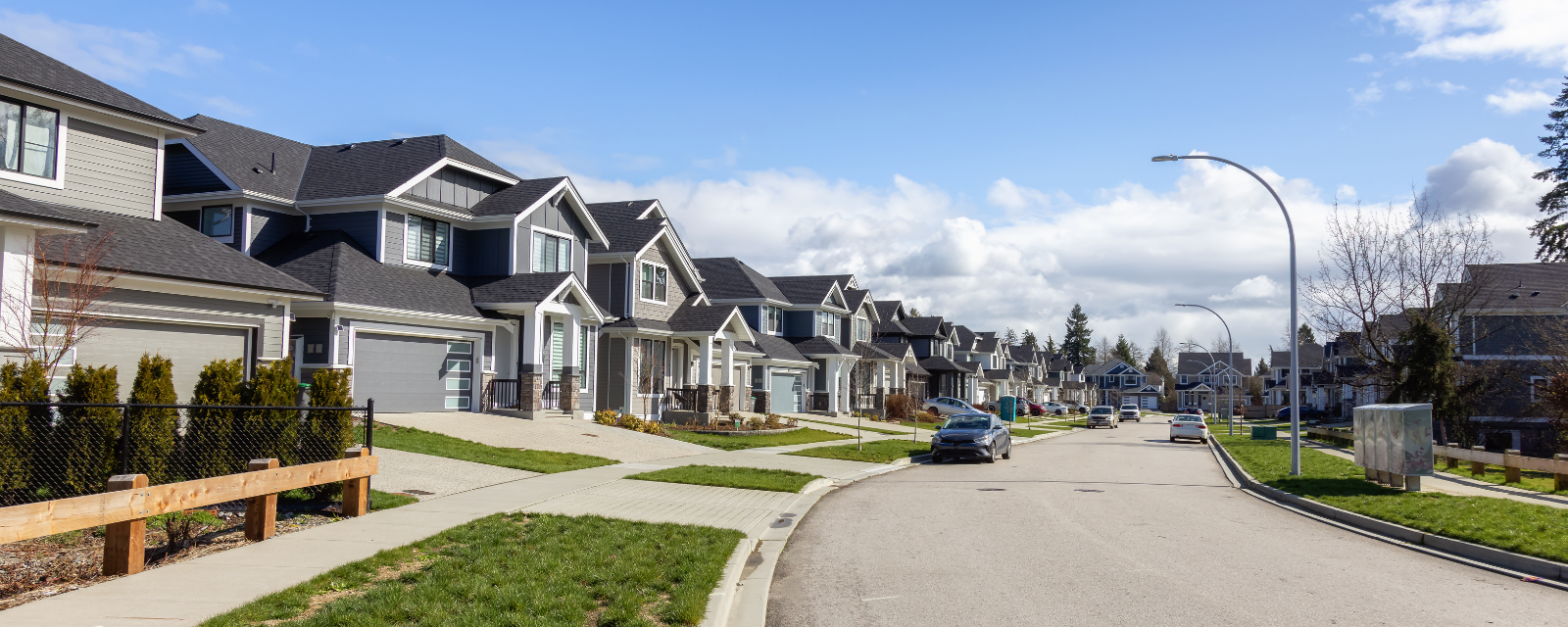
Build-to-rent isn't your typical apartment complex. These are detached single-family homes or townhomes built specifically to be rented, often with HOA-style amenities like pools, dog parks, and fitness centers. From the street, they look like any suburban neighborhood. The difference? Every house is owned by the same corporate landlord.
Developers and investors love the model because it offers economies of scale: you can manage 200 homes in one location more efficiently than 200 scattered across three counties. Renters who want a yard and a driveway but can't or don't want to buy appreciate the option. Critics argue it removes potential homeownership inventory from the market before it ever hits MLS.
Atlanta's Build-To-Rent Boom Is Already Here
Metro Atlanta already has several large build-to-rent communities operating or under construction. Developers have been betting on this model for years, and the new law just validated that bet. Adriana Montes, founder and CEO of Florida Dreams Realty and Capital Group and an early adopter in the single-family rental industry, told Bisnow she believes Georgia is more likely than Florida to be the primary test market for the new law because it's more affordable. Expect more announcements in suburbs like Gwinnett, South Fulton, and parts of Clayton County where land is available and demand for single-family rentals is strong.
The shift also means new construction activity, which theoretically adds housing supply. Whether that helps affordability depends on rent prices, which in newer build-to-rent communities tend to run higher than older apartment complexes but can be competitive with buying when you factor in maintenance and down payments.
For young professionals deciding where to live, this changes the landscape. Build-to-rent communities often cater specifically to people who want space and suburban amenities without the commitment of homeownership. That's a growing demographic in Atlanta, especially as remote work makes commute times less critical.
We called the Warnock provision a structural fix last week, and we meant it. But structural fixes have consequences that don't show up until the capital finds the next door. This is the next door. The mandatory BTR sale provision is worth watching: if it actually forces those homes into owner-occupied inventory a decade from now, this law has more teeth than the immediate reaction suggests. But in the short term, institutional capital didn't leave Atlanta's housing market. It just moved to a different product line. The real question is whether this surge in new rental construction will actually ease pressure on home prices or just create a permanent renter class in what used to be starter-home neighborhoods. My gut says we're about to find out the hard way that restricting one form of institutional ownership without addressing the underlying housing shortage just reshuffles the deck.


