The downtown Decatur block everybody thought was saved in September was not permanently saved.
One project died. The land at 346 W. Trinity Place remains buildable, and a provision in its 2017 deed could eventually return it to the Decatur Housing Authority.
What the school board actually canceled
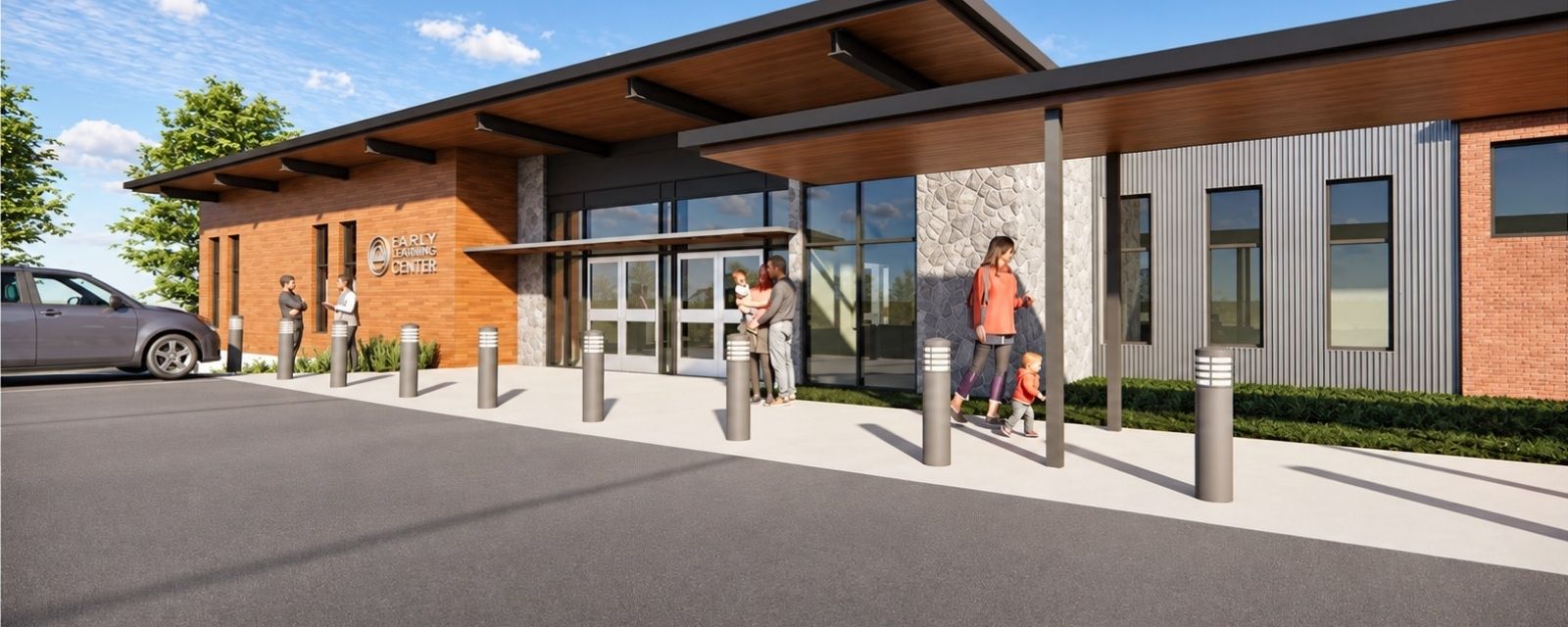
On Sept. 8, 2026, the City Schools of Decatur board voted 4-0 to close out every contract connected to the early childhood learning center planned for West Trinity Place. Vice Chair Hans Utz was absent.
Instead of constructing a new building intended to serve about 150 children, the district will explore expanding the Frasier Center at Decatur High School from 60 seats to at least 120.
Decaturish reported that the district had already spent approximately $6 million on the West Trinity project. That figure should be read as a project closeout cost, not the price of a completed building.
The financing path also changed. Georgia Senate Bill 625, signed in May, requires voter approval before Decatur’s Public Facilities Authority can issue revenue bonds for a City Schools of Decatur project costing $20 million or more. It did not prohibit the district from financing the center. It required a referendum the district ultimately chose not to pursue.
After years of community opposition, litigation and rising scrutiny over the project’s cost and approval process, the board terminated the contracts.
What it did not decide was what happens to the land.
The sentence in the deed that matters now
For anyone walking or driving through downtown Decatur, the immediate result is simple: the block stays open. Nothing is under construction, and no replacement project has been announced.
Nothing permanently requires it to remain open either.
The school district purchased the property from the Decatur Housing Authority in May 2017. The land was once part of the Allen Wilson Terrace public housing complex.
CSD attorney Keri Ware told Decaturish that the deed states: “The property will revert to the DHA if CSD ceases to use it for educational purposes, upon payment of the Fair Market Price by Grantor (DHA).”
Moving the early-learning plan to another campus does not automatically settle whether CSD has stopped using this particular property for education. That question depends on the deed, the district’s future use of the parcel and any action taken by the two agencies.
But the provision means cancellation does not turn the property into a park. If the condition is triggered and DHA exercises its rights, the housing authority could become the owner again after paying fair market value.
Historic does not mean permanently protected
The City Commission created the Beacon Hill Historic District on April 20th. It includes 346 W. Trinity Place, Decatur Housing Authority properties, Lily Hill Baptist Church, Ebster Recreation Center and Park, the Beacon Municipal Complex and nearby DeKalb County offices.
That designation changed how future work may be reviewed. It did not create a conservation easement or prohibit another building.
The district was established as a traditional cultural place with limited architectural requirements. City Planner Aileen de la Torre said its principal protection for this parcel would require archaeological monitoring when land is disturbed.
That is a condition on construction, not a ban on construction.
During the April meeting, city attorney Bryan Downs said officials had done “about as much as you can on this front” without inviting a legal challenge. Mayor Tony Powers also described DHA’s intentions plainly: “It has been made clear to us that they will develop if they buy it back. That is their intent.”
That was the mayor’s characterization, not a public development announcement from DHA. No DHA proposal for the property has been released.
The early-learning need did not disappear
The district still says Decatur needs more early-childhood seats. Chief Operations Officer Jarvis Adams said an expanded Frasier Center could serve at least 120 children, approximately 30 fewer than the West Trinity proposal.
The district is beginning again with community engagement and planning at the high school campus.
Meanwhile, the Beacon Hill Grassroots Coalition is not treating the September vote as permanent protection. Coalition member Lynn Farmer said, “Recent victories are important, but the land is not yet secure,” and argued that it should be preserved for outdoor gathering and learning.
That is advocacy, but the underlying warning is accurate. The school project ended. The property question did not.
The next decision about this block may not arrive with another rendering or ribbon-cutting announcement. It may appear as a line on a public meeting agenda. Watch for any CSD action declaring the property surplus, approving a sale or establishing a new educational use. Then watch for any DHA board action involving the deed provision or a future development proposal. The historic designation matters, especially for archaeological review and recognition of the Black community displaced from Beacon Hill. It should not be mistaken for permanent green space protection.


