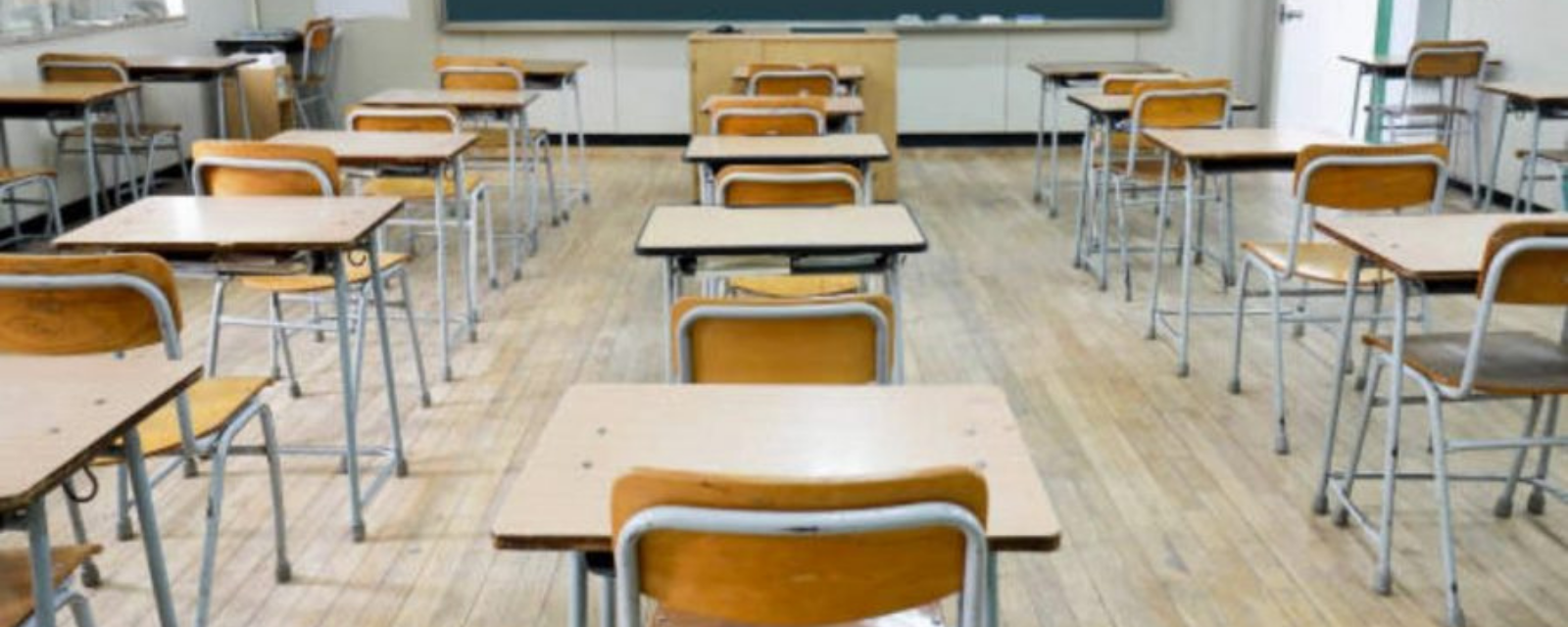
Every neighborhood that has lost a school knows what can happen next. The students move somewhere else, but the building stays. A fence goes up. Plywood covers the windows. Years pass.
Atlanta Public Schools acknowledged that history during its Sept. 1 board meeting.
“We heard loud and clear that we have a history of leaving blight and creating blight in our neighborhoods,” Community Development Officer Chelsea Montgomery told the board.
That matters because APS is preparing to close five more schools in 2027.
Why APS is closing schools
APS says its buildings have room for approximately 70,000 students, but only about 50,000 are enrolled. That leaves roughly 20,000 empty seats across the system.
That does not mean every classroom is empty or that no individual school is crowded. It means the district overall is maintaining more building space than its student population needs. Those empty seats still cost money to heat, cool, clean, repair and staff.
That is why the central tension for many APS families is not overcrowding. It is which neighborhood schools will close, where their children will go and what happens to the buildings afterward.
The Atlanta Board of Education unanimously approved APS Forward 2040 in December 2025. The 10-to-15-year plan responds to under-enrollment, falling birthrates and a reported $100 million budget shortfall. Sixteen schools are affected by closures, consolidations or other changes, beginning in fall 2027.

What families are deciding now
No school closes during the current school year. What is being decided now is where attendance lines will fall when the changes begin.
APS is collecting responses through its attendance zone survey through Sept. 18. The district will hold meetings at six schools at 6:30 p.m. on Sept. 24. Final recommendations are expected to reach the Atlanta Board of Education before a scheduled Dec. 7 vote.
Five under-enrolled elementary schools are slated to close: Cleveland Avenue in Browns Mill Park, Continental Colony in Greenbriar, Dunbar in Mechanicsville, F.L. Stanton in Mozley Park and Peyton Forest.
Parkside Elementary’s attendance zone would be divided. Sylvan Hills Middle would become an elementary school serving students from Finch and Perkerson.
For families at those schools, the lines approved in December will determine where their children go in 2027. APS says it will consider grandfathering students when possible, which could allow some children to finish at their current schools instead of moving immediately.
Then the school becomes a property question
Once a school closes, the concern does not disappear. It changes.
A closed school is a large piece of publicly owned land sitting inside a neighborhood. Families may stop using it, but everyone living nearby still has to look at it and live with whatever happens there.
APS and the Atlanta Urban Development Corporation say their partnership could eventually redevelop up to eight former school properties as mixed-income housing and community space.
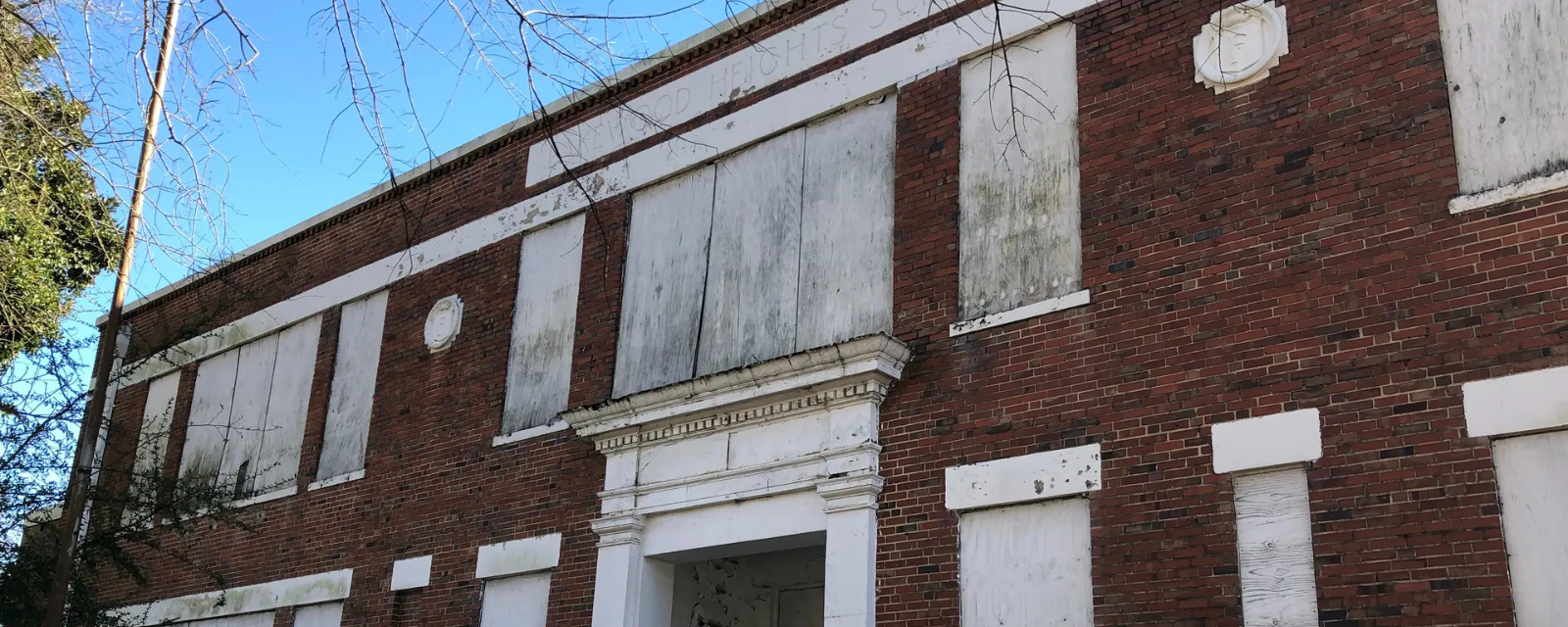
The former Lakewood Heights Elementary School at 335 Sawtell Avenue SE shows why residents may be skeptical about the timeline. The building has been closed for more than two decades and remains fenced and boarded.
APS considered demolishing it in 2022 after unsuccessful attempts to sell it. Preservationists objected, and the building remained standing. The school board named Lakewood Heights and Peeples Street as redevelopment pilots in 2023. An agreement with the Atlanta Urban Development Corporation followed in 2024.
In July 2025, the city requested qualifications from developers for approximately 55 rental homes, primarily with two and three bedrooms, plus 8,000 square feet of commercial space. The plan would preserve the original school building.
That application deadline passed in August 2025. As of September 2026, the project website does not identify a selected developer or provide a construction date.
That is the gap families are looking at as APS prepares to empty more buildings. Closing an under-enrolled school may reduce operating costs. It does not guarantee that the property will quickly become housing, green space or a community hub.
APS deserves credit for acknowledging that its unused properties have contributed to neighborhood blight. But acknowledging the problem is only the beginning. Parents still have some influence over attendance lines through the survey, the Sept. 24 meetings and the December vote. Once a school closes, the neighborhood has much less control over how long the building sits or what eventually replaces it.
Lakewood Heights has already waited more than two decades. Families facing a 2027 closure should ask APS for more than a proposed use or another planning phase. They should ask for a public timeline showing when each building will be secured, maintained and returned to community use.


