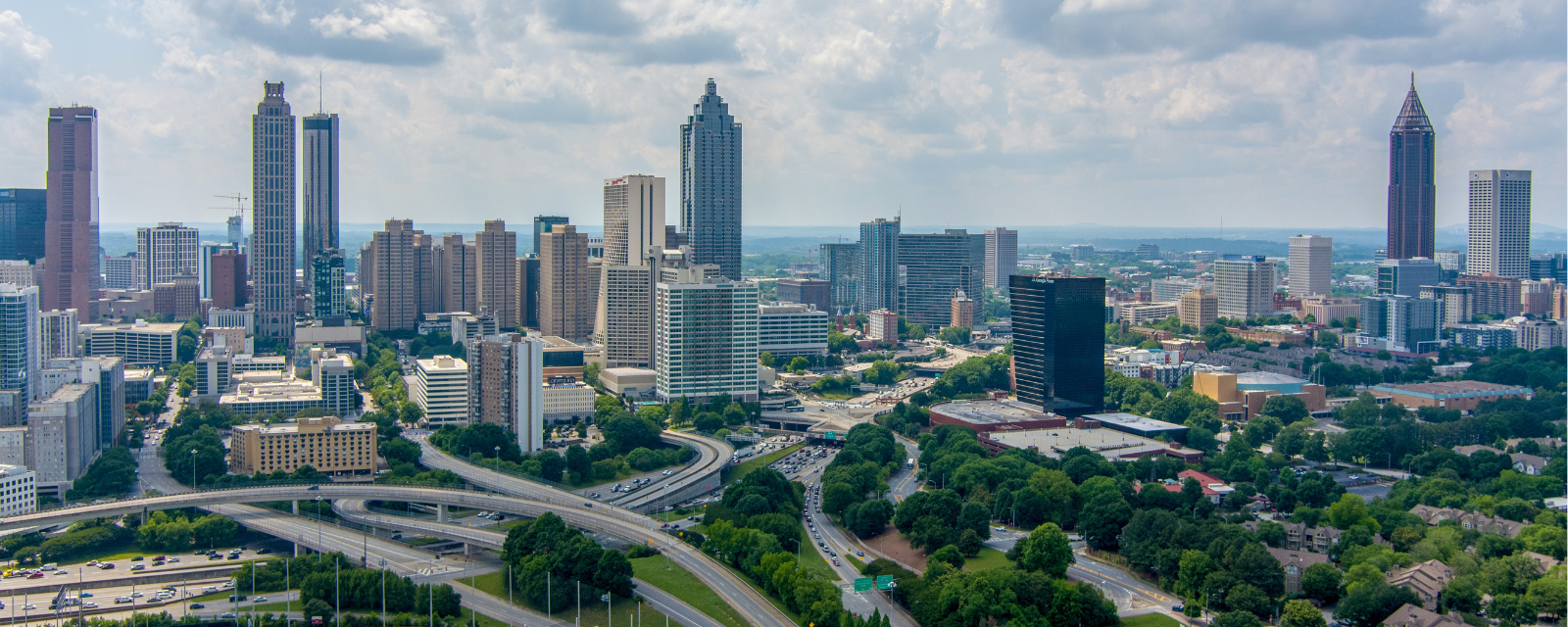
I’ve often said that the City of Atlanta owes me a brand new set of tires but it seems like instead of having to cash in on that request. Downtown Atlanta just got a whole lot smoother. The Atlanta Department of Transportation (ATLDOT) announced that the 2025 Downtown Pavement Program cut downtown potholes by 60 percent compared to 2024, a dramatic drop that's changing how the city handles one of its most persistent infrastructure headaches. ATLDOT officials say the infrastructure improvements are here to stay, not a one-time World Cup push.
This isn't just about filling holes faster. It's about using technology to predict where damage will happen before it becomes a problem, and dispatching crews more efficiently. According to Urbanize Atlanta, ATLDOT used Cyvl, an AI-powered infrastructure intelligence platform, to scan streets using LiDAR sensors, advanced imagery, and machine learning to identify cracks, deterioration, and damage. The result: fewer emergency repairs, lower costs, and streets that actually stay fixed. Downtown's pavement condition index climbed from a 'fair' rating of 63.5 to a 'good' rating of 75.3 on a 100-point scale.
How Does AI Help Fix Potholes?
The system works by mounting Cyvl's LiDAR sensors and cameras on city vehicles that continuously scan road surfaces as they drive their regular routes. The AI analyzes the data in real time, flagging problem areas and prioritizing repairs based on severity. Instead of waiting for 311 calls or relying on sporadic inspections, the city now has a rolling, automated assessment of every downtown street.
"This technology is there to let us know one, what's there, two, the condition of our pavement and our assets," said ATLDOT Commissioner Solomon Caviness. The 60 percent reduction means fewer insurance claims, fewer complaints, and a downtown that's genuinely easier to navigate on foot, bike, or car.
And yes, I know what you're thinking: does this actually work, or is it just a flashy pilot program that'll fade out? The results are already on paper, I’ve seen countless TikTok’s and Instagram posts of Atlantans exclaiming that they’ve also noticed and experienced the infrastructure changes. I’m sure they’d also be happy to hear that ATLDOT has confirmed the Cyvl partnership is expanding beyond downtown.
Why This Matters for Downtown Walkability
The Centennial Yards area, where much of downtown's transformation is happening, stands to benefit the most. With major mixed-use developments coming online and thousands of new residents expected, the last thing the city needs is a continued reputation for busted streets. Walkability isn't just a buzzword here, it's the foundation of what makes urban neighborhoods work.
If you've spent any time around Centennial Olympic Park or the events happening downtown, you know foot traffic is surging. Smooth sidewalks and well-maintained streets aren't optional, they're essential.
What's Next for Atlanta's Infrastructure?
This AI-driven approach isn't staying downtown. ATLDOT announced an expanded Cyvl partnership that will cover all 1,450 miles of Atlanta's road network, and goes beyond pavement to include sidewalks, curb ramps, and street signs citywide. That's the equivalent of downtown Atlanta to Chicago and back.
The bigger question is whether the city will commit the resources to make that happen. The data is there. The technology works. Now it's about execution. Officials have not yet confirmed the total financial investment for the citywide monitoring system, or which specific neighborhoods will receive pavement upgrades first.
This is the kind of unglamorous, behind-the-scenes work that actually makes a city function. AI fixing potholes doesn't make headlines the way a new tower does, but it matters just as much, maybe more. If Atlanta wants to be a serious urban city and not just a sprawling metro with a downtown problem, this is the baseline. A pavement index jumping from 63.5 to 75.3 proves the concept works. Now the city needs to expand it, fund it properly, and make sure it doesn't become another program that fizzles out when the next administration takes over. Infrastructure isn't sexy, but it's the foundation everything else is built on.


