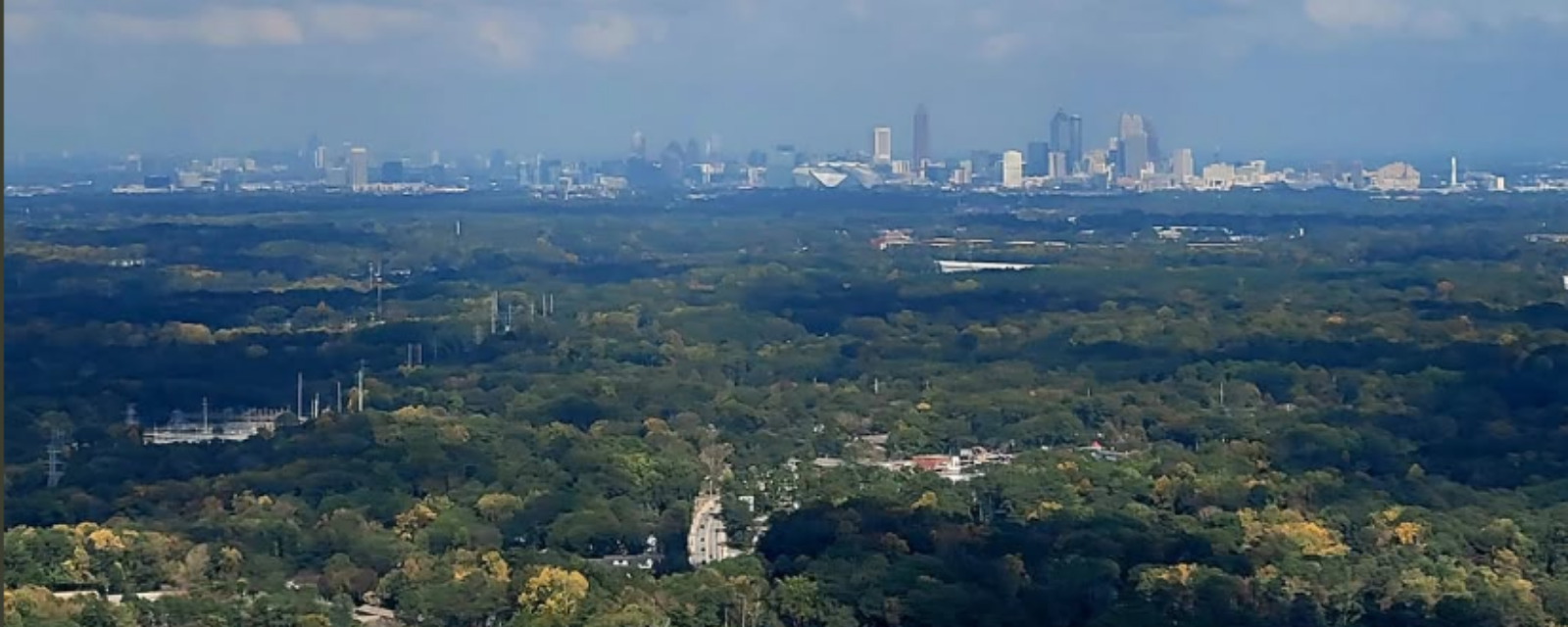
Atlanta just landed at No. 4 on WalletHub's 2026 Best & Worst Cities for Recreation list, sitting behind Las Vegas, Orlando, and Cincinnati. The City in a Forest reputation just got some receipts, and the numbers behind the ranking are interesting.
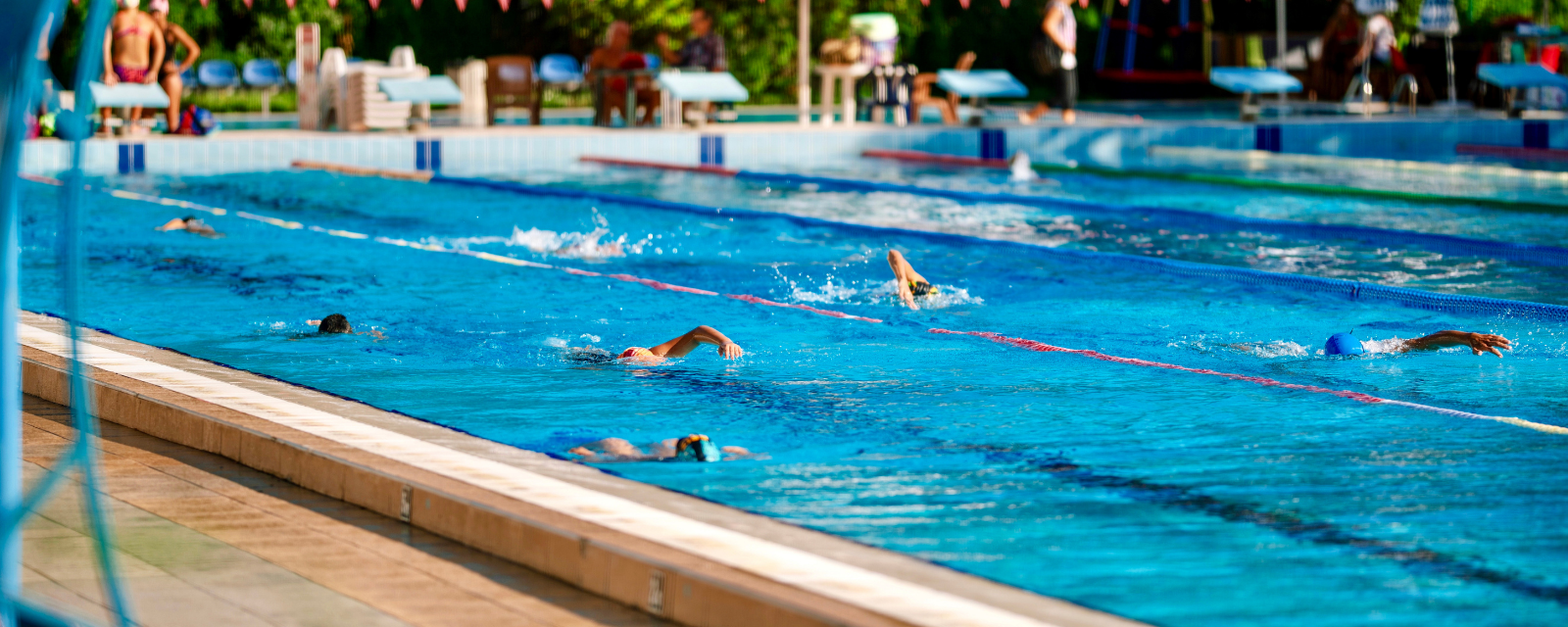
This analysis weighed 47 metrics tied to recreational activity across the country's largest 100 cities. Atlanta didn't just sneak into the top five. It led the pack in three specific categories: parks spending per capita, swimming pools per capita, and tennis courts per capita, where it ranked 4th nationally.
Why parks spending and pools actually matter
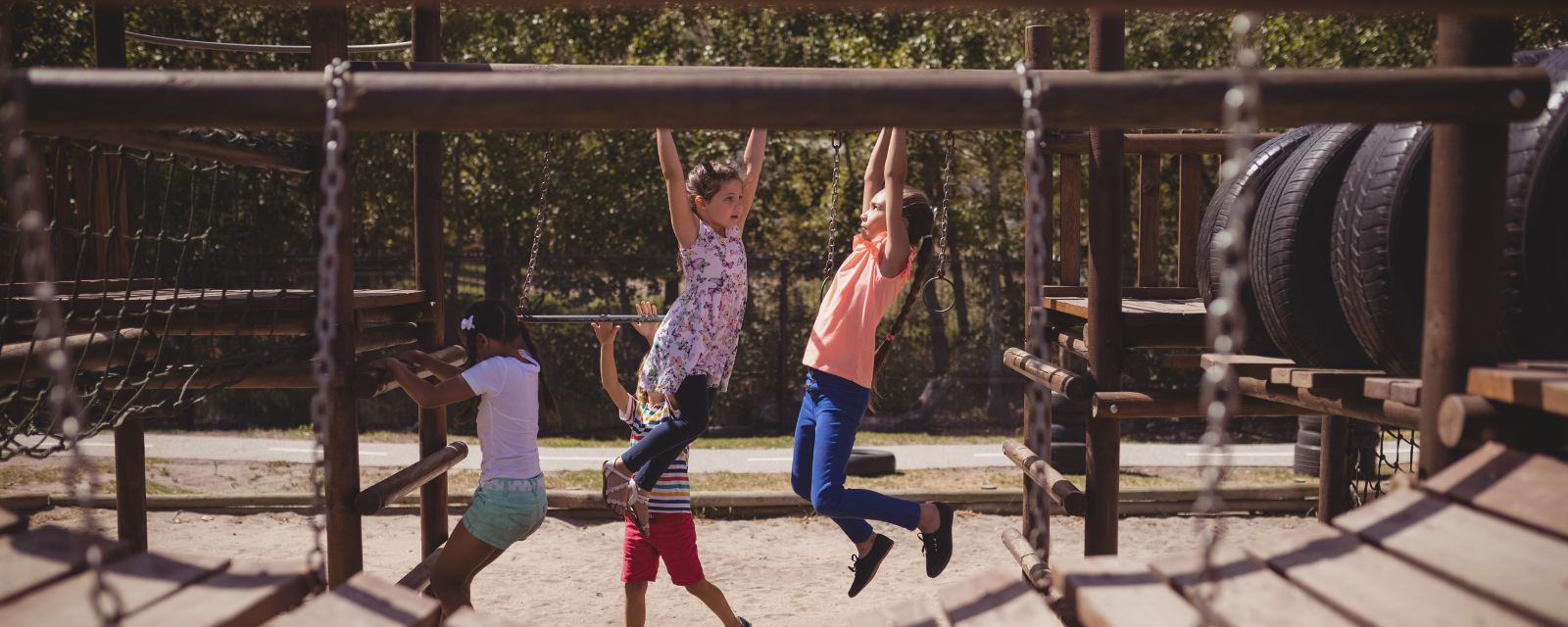
Cincinnati beating us feels a little rude, sure. But when you dig into what pushed Atlanta up the list, the picture is less about flashy attractions and more about the everyday infrastructure that shapes a summer Saturday. Parks spending per capita is a measure of how much a city is willing to invest in shade, playgrounds, trails, and the maintenance nobody notices until it's gone. Swimming pools per capita, in a city where July hits like a physical event, is not a minor detail.
Put those together, and you get the argument for the City in a Forest branding backed by something other than tree canopy photos. It is a city choosing, budget line by budget line, to keep recreation accessible and somewhat pedestrian-friendly. Atlanta ranked 32nd in the percentage of its population with walkable park access. First in spending, 32nd in who can actually walk to a park. That gap is the equity question embedded in the ranking, and it connects directly to the neighborhood-level story below. Now we know firsthand that the City of Atlanta and the Atlanta Beltline are committed to closing this communicable gap, with the recent opening of the Southside Trail adding to the big picture, especially for West Atlanta residents.
Where does Atlanta rank overall for living, not just recreation?
This is the question that comes up every time a ranking like this drops. In June 2025, The Economist's Global Liveability Index ranked Atlanta the second-best city to live in the United States, behind only Honolulu, and 29th globally. Stack that against the No. 4 recreation finish and the pattern gets clearer: Atlanta is doing something right on the livability front, and the parks and pools math is a big part of why. It will also be interesting to see if we’re able to move to the No.1 spot once our downtown is fully built out, but who knows it could be wishful thinking.
What this means at the neighborhood level
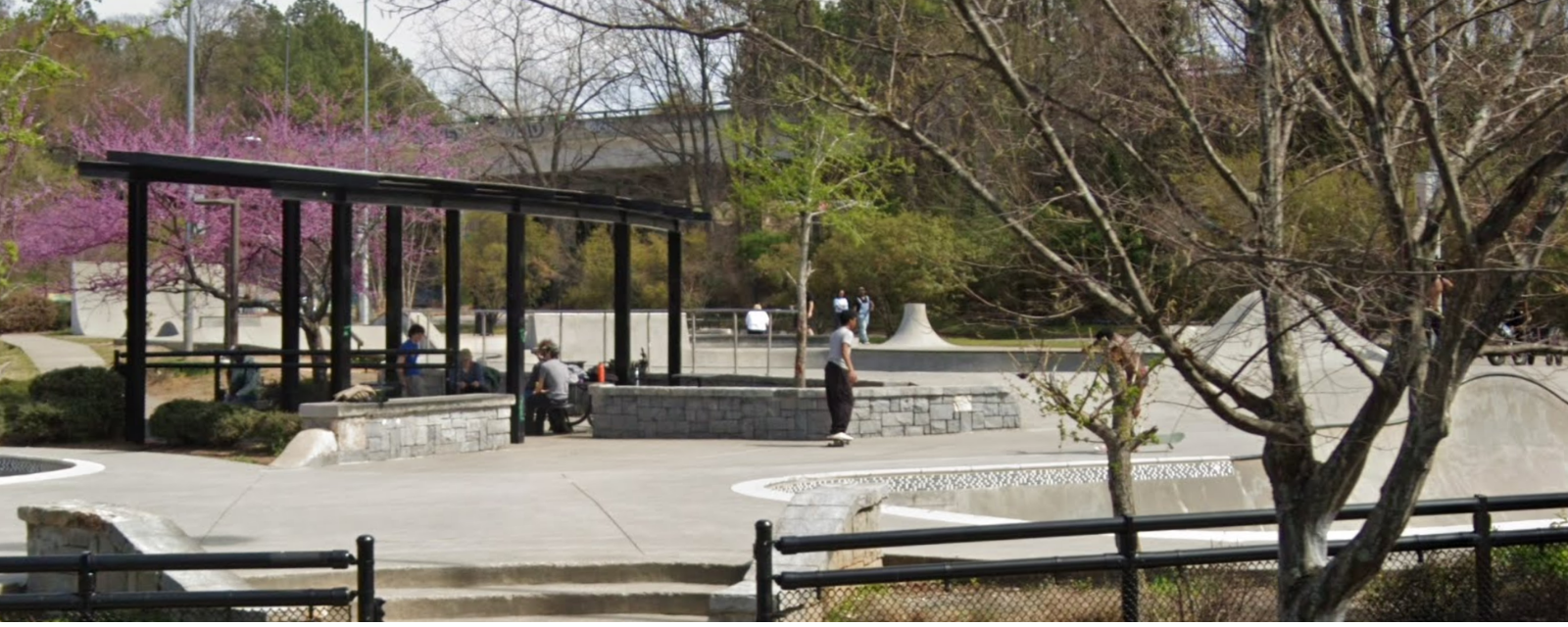
Rankings are fun, but they only mean something when you can feel them in your zip code. The tricky part with a citywide stat is that parks spending per capita averages out. Some neighborhoods have been beneficiaries of that spending for decades. Others are still catching up, which is exactly what the 32nd-place walkable access ranking suggests. If you want to see how greenspace investment reshapes a specific pocket of the city, our Grant Park guide walks through what happens when parks anchor a neighborhood identity, and the Summerhill fight to keep the 1996 Olympic cauldron in place is a reminder that recreation history is not automatically preserved. Communities have to push for it.
Recreation is not just parks either. If you want to see how Atlantans actually use the city on a given weekend, the events calendar is where the ranking becomes a plan.
The reputation catch-up
Here is what makes this ranking hit a little different. Atlanta has been marketing itself as the City in a Forest for years, and the trees have always done the visual heavy lifting. What has been missing is the third-party validation that the recreation infrastructure underneath the canopy is genuinely competitive nationally. Landing at No. 4, and leading in three specific per-capita categories, gives that branding a data point instead of a vibe.
The parks spending and pools stats are the ones I would put on a billboard. Vegas and Orlando are entertainment economies. They are supposed to top a recreation list. Atlanta landing at No. 4 while being neither a tourist trap nor a resort town is the actual headline, and it tells me the city is investing in the kind of recreation that residents use, not just visitors. The 32nd-place walkable access ranking is the asterisk that keeps this from being a pure victory lap. Spending the most and being the 32nd most walkable to parks are not compatible long-term goals. Every neighborhood should be asking what their share of that per-capita spend looks like on the ground, and whether it is actually within walking distance.


