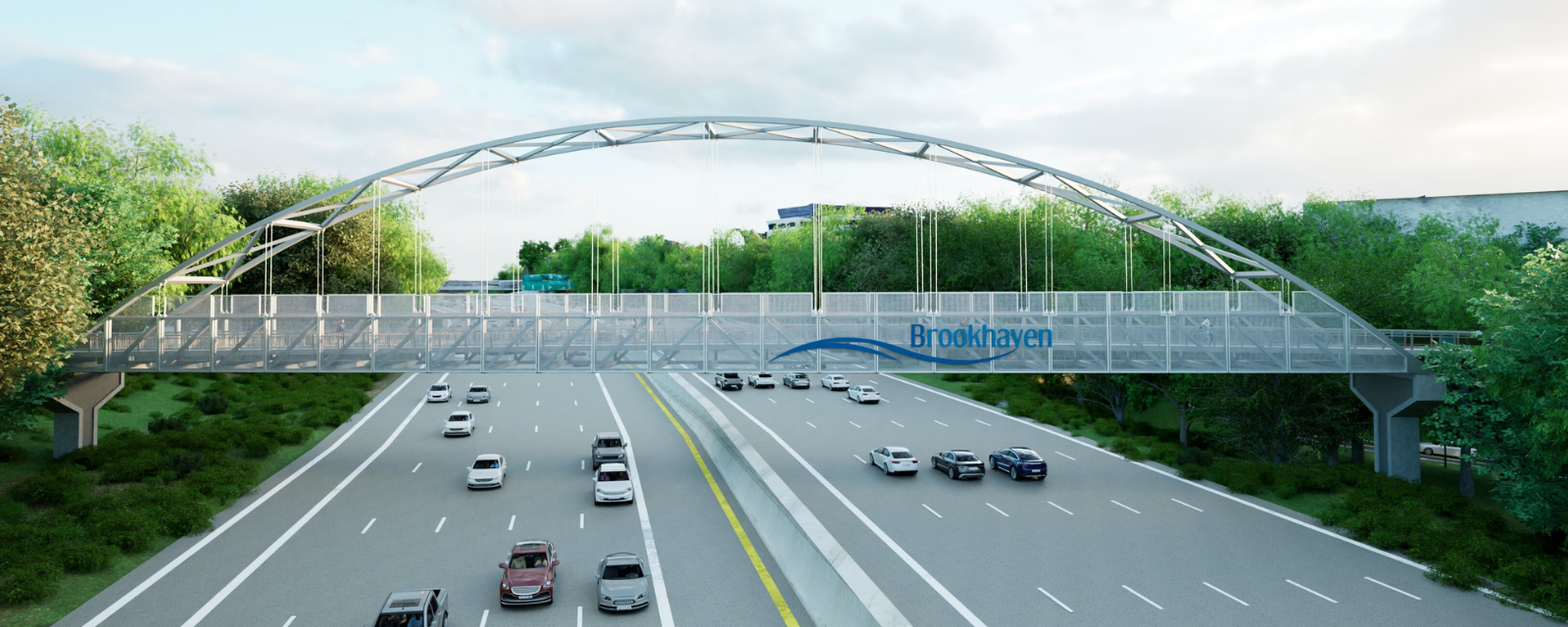
The City of Brookhaven, DeKalb County, and Emory University reached a deal this week that locks in the framework for building the Peachtree Creek Greenway Connector Bridge, and the funding math is finally on paper.
Here's the headline number: Emory agreed to contribute $15.8 million to the project over the next 10 years in the form of PILOT payments, Payment in Lieu of Taxes, structured over the decade. That's the piece that unlocks everything else, and it's the piece that matters most to anyone who's been watching this project inch forward wondering how the city was actually going to pay for it.
So what does $15.8 million actually buy?
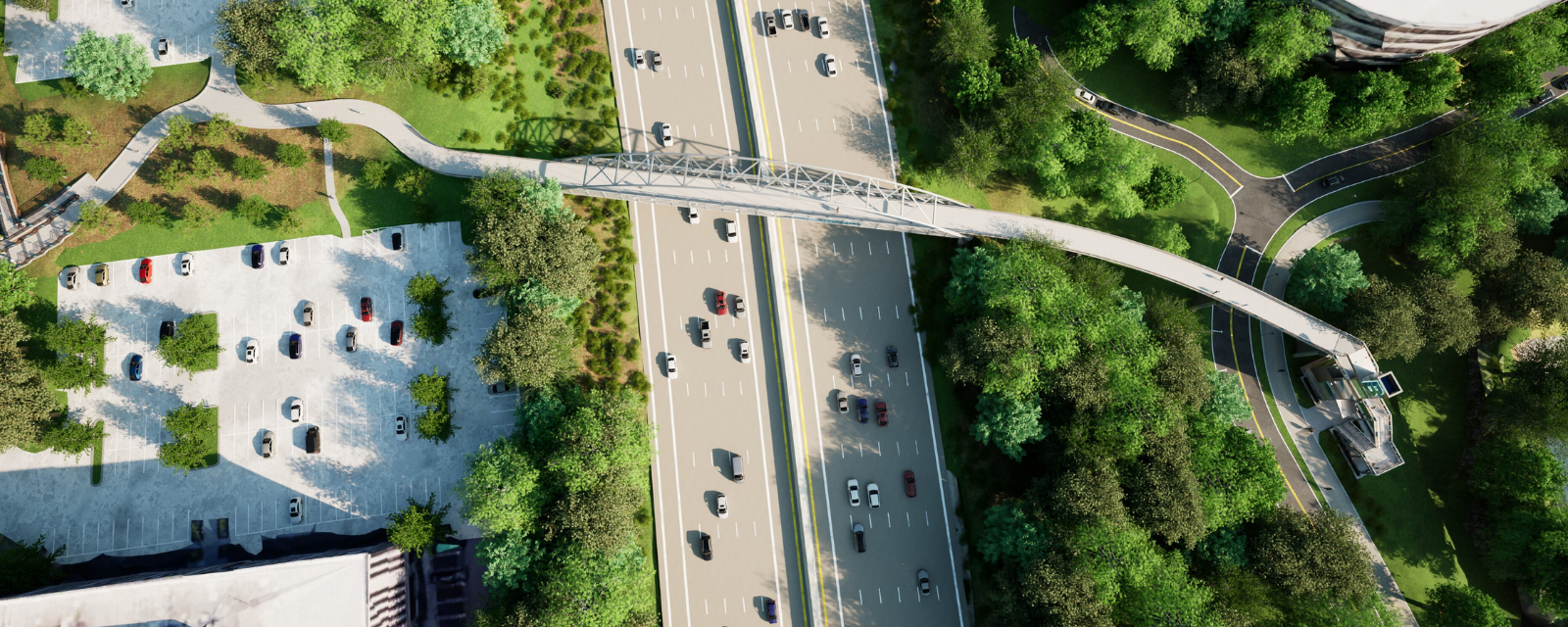
A pedestrian and bicycle bridge spanning one of Atlanta's busiest freeways. Project officials are calling it "transformative" and in this case the geography earns it. And it won't be plain: preliminary designs call for an arch structure with gateway branding for Brookhaven. Right now, if you're on the Peachtree Creek Greenway on the Brookhaven side, I-85 is a hard stop. On the other side sits Executive Park and the growing Emory footprint. A bridge changes the whole equation for how people move through this part of metro Atlanta.
And before anyone asks: no, this isn't coming out of residential property taxes. Emory's contribution is doing the heavy lifting, with the remainder sourced from private investment, economic development mechanisms, and partner contributions. Asbury Automotive Group , one of the largest automotive retailers nationally, also donated the easement for the western bridge landing. This is a multi-partner deal, not a two-party one. That framing matters, because pedestrian infrastructure fights usually die on the "who pays" question long before they die on the design question.
Why is a university paying for a public bridge?
Fair question. Emory has been expanding into Executive Park for years, and connecting that campus footprint to Brookhaven's trail network is a direct benefit for students, employees, and patients moving between properties. When a major institution has skin in the game, projects like this actually get built. We've watched a lot of Atlanta infrastructure die in the planning binder.
There's also an equity dimension every source on this story names that the blog should say out loud: the bridge gives residents along the Buford Highway corridor safer access to employment centers, healthcare, and recreation that I-85 currently cuts them off from. The trail connectivity is the headline. The access for Buford Highway residents is the substance.
What this means for the trail network
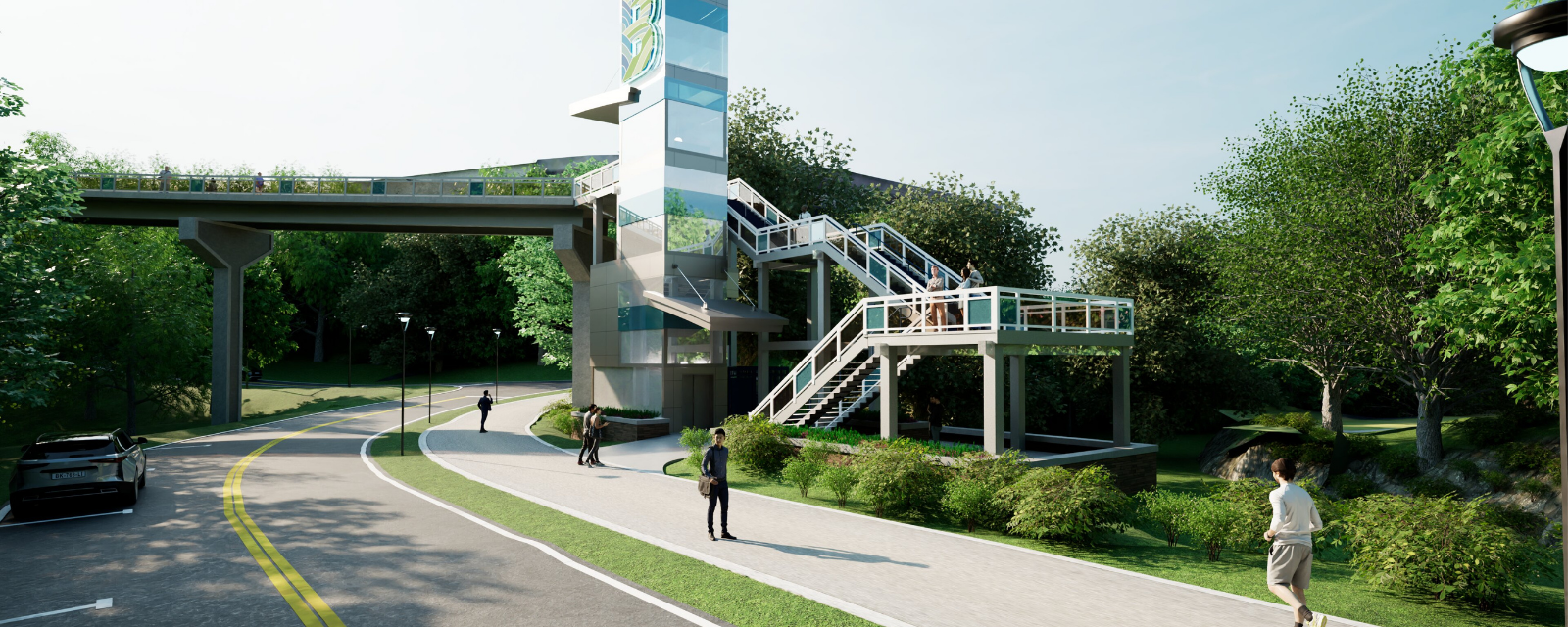
The Peachtree Creek Greenway has been building toward something for a while. Every new segment stretches the map a little further, but the interstate has always been the ceiling. A bridge doesn't just add a crossing, it turns a dead-end trail into a spine that connects to PATH400, the Atlanta BeltLine, and DeKalb County's broader Trails and Greenways Network, linking neighborhoods to each other and to jobs.
The part I keep coming back to
Ten years is a long contribution schedule. That tells me this is a real project with a real construction runway, not a ribbon-cutting fantasy. Construction is expected to begin in 2028. When funders commit over a decade and a start date is on paper, they've done the diligence. And when a city can say "no residential property taxes," it removes the single biggest obstacle to public support.
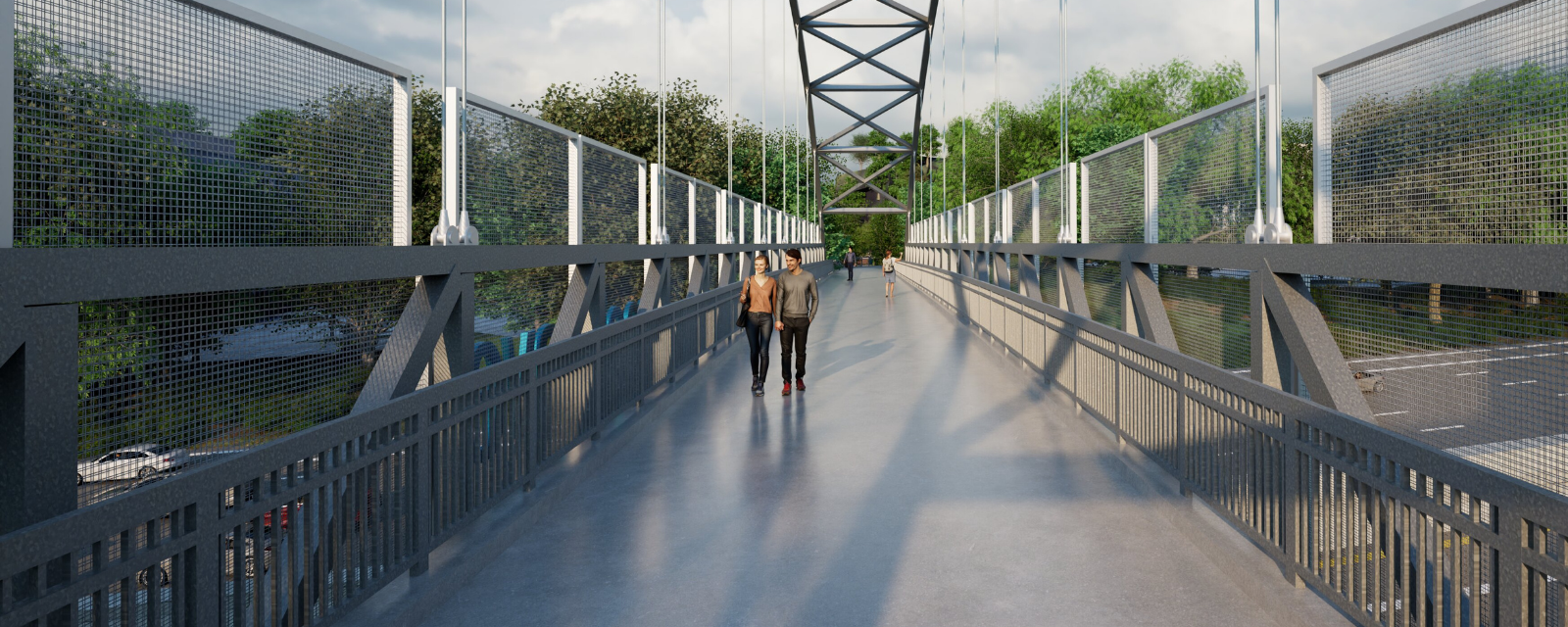
This is the kind of project that separates cities that talk about connectivity from cities that build it. A pedestrian bridge over I-85 is not glamorous, it's not a stadium, it's not a mixed-use tower. It's just a way for people to walk or bike from one side of a highway to the other without risking their lives. That's exactly what metro-Atlanta needs more of, and Emory, along with private partners, writing the check that makes it possible is the model I want to see repeated across every institution in the metro. Build the bridges. Connect the trails. Don't over-tax the residents to make it happen. This one's going to matter.


