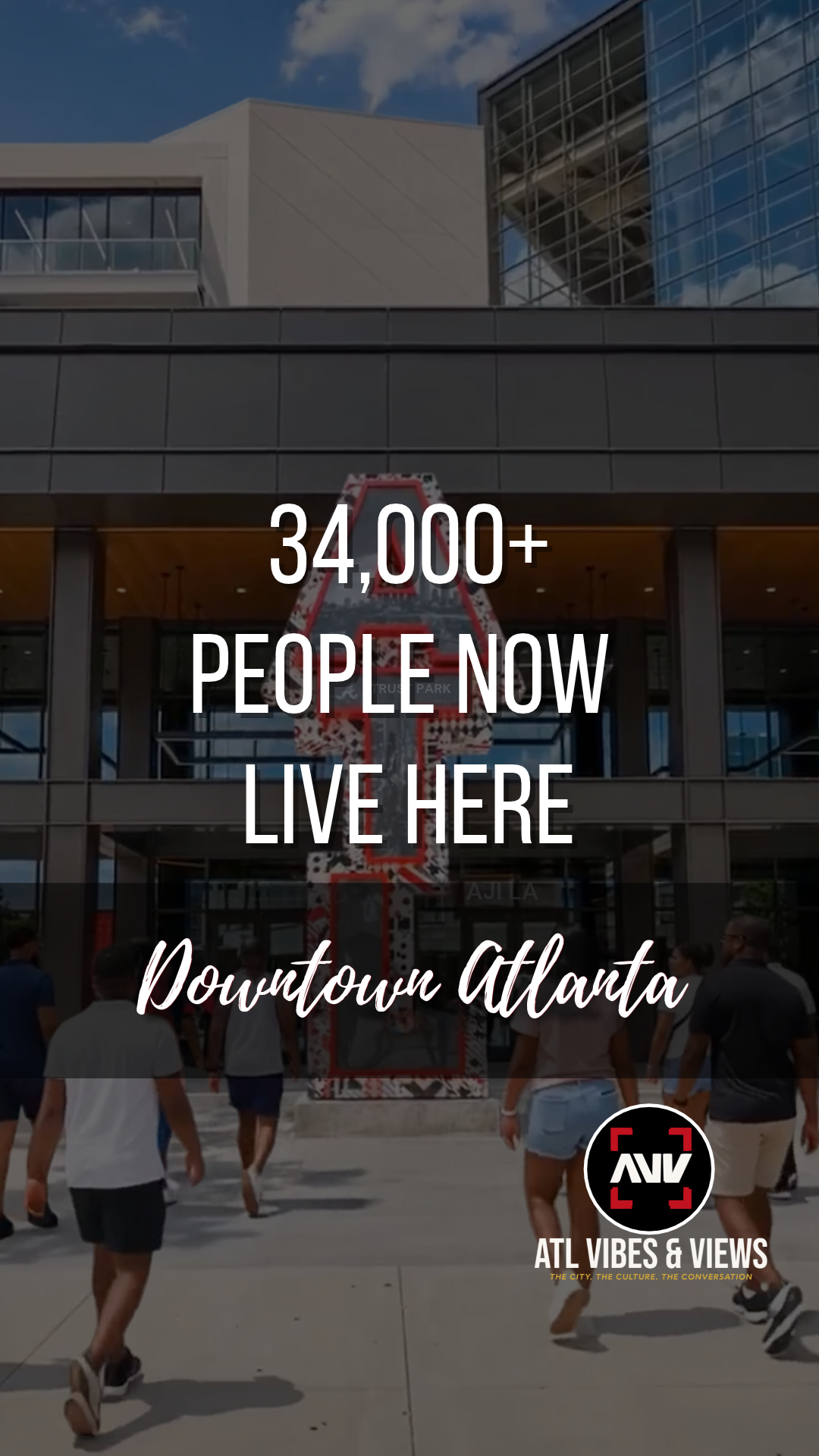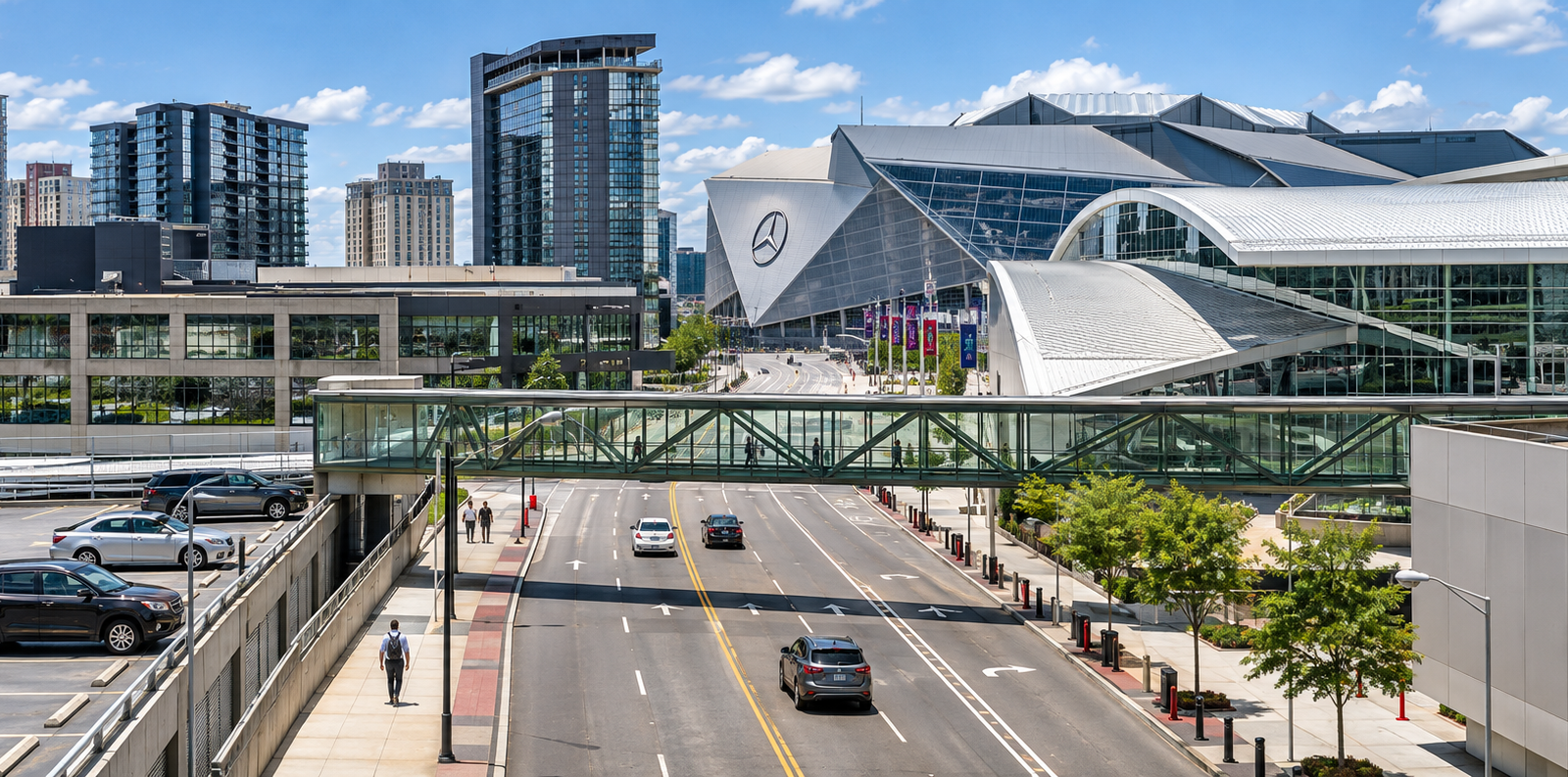
Picking up dinner close to home can turn an errand into a walk instead of a separate trip. That kind of everyday spending is part of the case Downtown Atlanta Inc. is making for a neighborhood where more than 34,000 people already live.
The organization presented its 2026 State of Downtown report on Oct. 28. Visitation has returned to about 85 percent of pre-pandemic levels, and about one in three Downtown residents is under 25. Part of the presentation was aimed at businesses, with a case built on the people who already live there.
The customers who come home
Shirlynn Fortson, Downtown Atlanta Inc.’s vice president of planning and economic development, said people live Downtown because it’s close to transit, entertainment and universities. Her argument for local businesses is about repeat customers.
“That growing residential base is especially important to downtown’s long-term vitality,” Fortson said. “Residents create consistent demand for restaurants, retailers, services, and public spaces 24-7, not just during the work day or when there’s a major event in town.”
That demand shows up in a grocery run after work or a Tuesday dinner order.
More apartments are coming, with deliveries still ahead
Downtown has added 201 multifamily units since the beginning of 2026, GPB News reported from the presentation. One project still ahead is at 34 Peachtree St., where 10 floors of the former One Park Tower are being converted into 150 apartments above the Five Points MARTA station. We reported in September, the first apartments are expected in summer 2027, with projected monthly rents of $1,100 to $1,400.
The 2025 State of Downtown report counted 17,753 housing units and projected that total would grow 28 percent over five years, a projection with four years left to run. Additional September coverage also tracked hundreds of apartments under construction Downtown, with deliveries expected in 2027 and 2028.
Housing is part of the answer to the office shift
Downtown leaders reported at the Oct. 28 event that roughly 30 percent of Downtown office buildings are vacant. Mayor Andre Dickens said demand has changed and the city is paying attention.
“We can’t build downtown’s future around the market 20 years ago,” Dickens said. “We need a neighborhood where people can live, work, and play. Visit and invest. Housing is a major part of that work.”
The 34,000-plus people who already live Downtown are a customer base that exists today, not one waiting on the next apartment delivery. New buildings could add to it in 2027 and 2028, but businesses that build a weeknight following now will be ready when they do. For residents, every business that makes that bet is one more errand they can handle on foot.