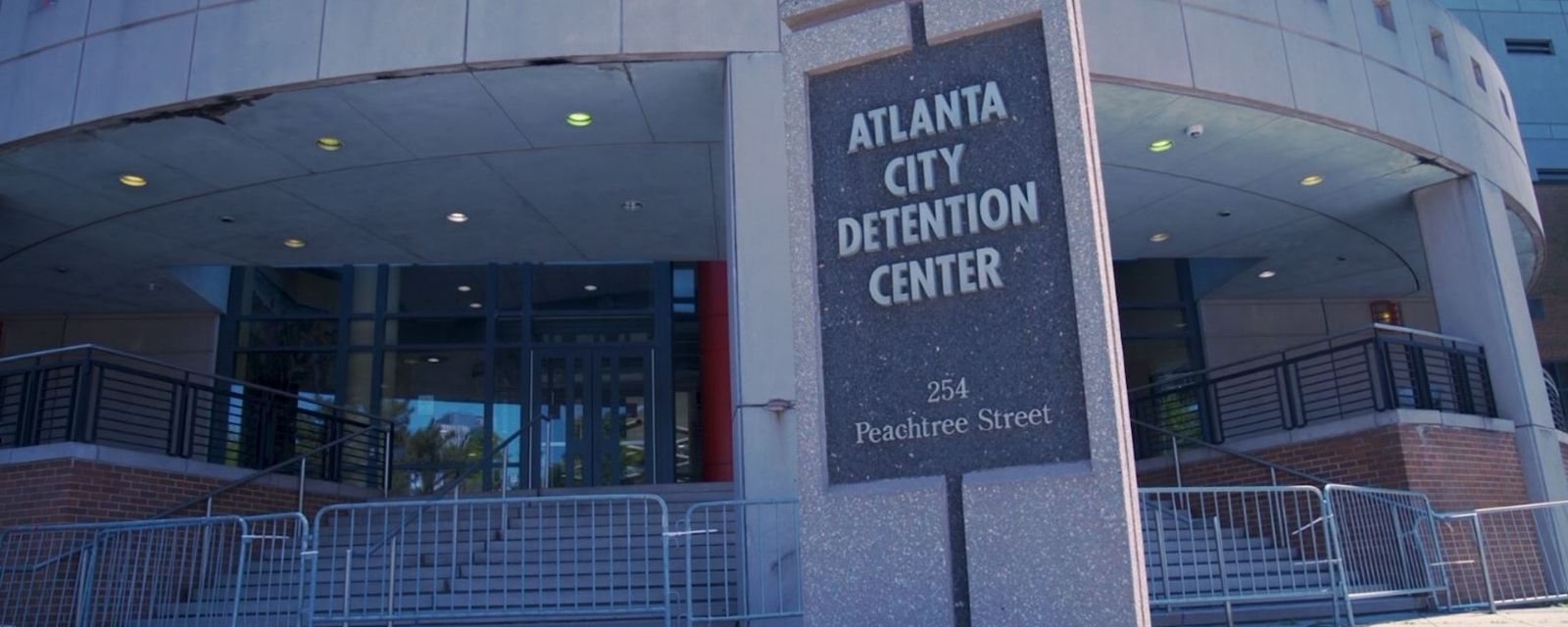
Seven years ago, Atlanta imagined a different future for the 17-story jail at Peachtree Street and Memorial Drive. Now, a proposed $68 million sale to Fulton County would keep it a jail.
In 2019, the city authorized closing the Atlanta City Detention Center and began planning a Center for Equity. For people who live, work or run businesses in South Downtown, that meant the possibility of a different use for this block.
The sale would leave that larger transformation unfinished. To understand why it is on the table, start with the beds Fulton already uses.
Why Fulton wants the building
Fulton already leases space for up to 700 detainees in the downtown jail. That lease expires at the end of 2026, with no renewal option.
Meanwhile, the county’s own jail construction program will take years. It includes a new special-purpose facility expected to open in 2031 and renovations to its existing Rice Street jail that continue through 2035.
Buying the downtown jail would let Fulton keep using those beds during that work, potentially reducing the need for temporary facilities or sending detainees elsewhere.
The downtown building needs work, too. Fulton estimates about $75 million in renovations there, separate from its Rice Street project.
How the hospital became part of the deal
Mayor Andre Dickens tried to make the jail sale part of a broader agreement with Fulton County. Along with the $68 million purchase price, he asked the county to commit $200 million over 10 years to the Morehouse School of Medicine and Atrium Health hospital project. He also sought changes involving commercial property assessments.
Fulton accepted the jail price in principle on Sept. 2 but rejected the additional conditions. Chairman Robb Pitts said those issues were unrelated to buying the jail.
The county sought a Sept. 10 response and a Dec. 4 closing. Its acceptance of the price did not amount to a signed sale agreement.
The hospital proposal was a condition Dickens attached to the sale. Neither his letter nor his public explanation identified it as a replacement for the Center for Equity envisioned for the jail.
The promise still attached to this address
Dickens has been part of that story from the beginning. As a councilmember, he introduced the resolution creating the reuse task force under Mayor Keisha Lance Bottoms. Its final report included four design proposals.
The full conversion never received a funded construction schedule. In 2022, Atlanta leased beds to Fulton as Rice Street struggled with overcrowding.
Still, part of the earlier vision has a place inside the building.
The Center for Diversion and Services opened there in 2024, with a separate entrance and independent staff. It connects people experiencing behavioral-health, housing and substance-use crises with services instead of jail. Fulton says it intends to keep the program operating after a purchase.
Before Atlanta hands over the building, I think it should secure a commitment to keep the diversion center operating and set a date to reconsider the jail’s long-term use. Fulton’s need for beds makes the purchase understandable. But seven years after envisioning a Center for Equity, Atlanta should be clear about what it will preserve from that promise and when it will revisit the rest.


