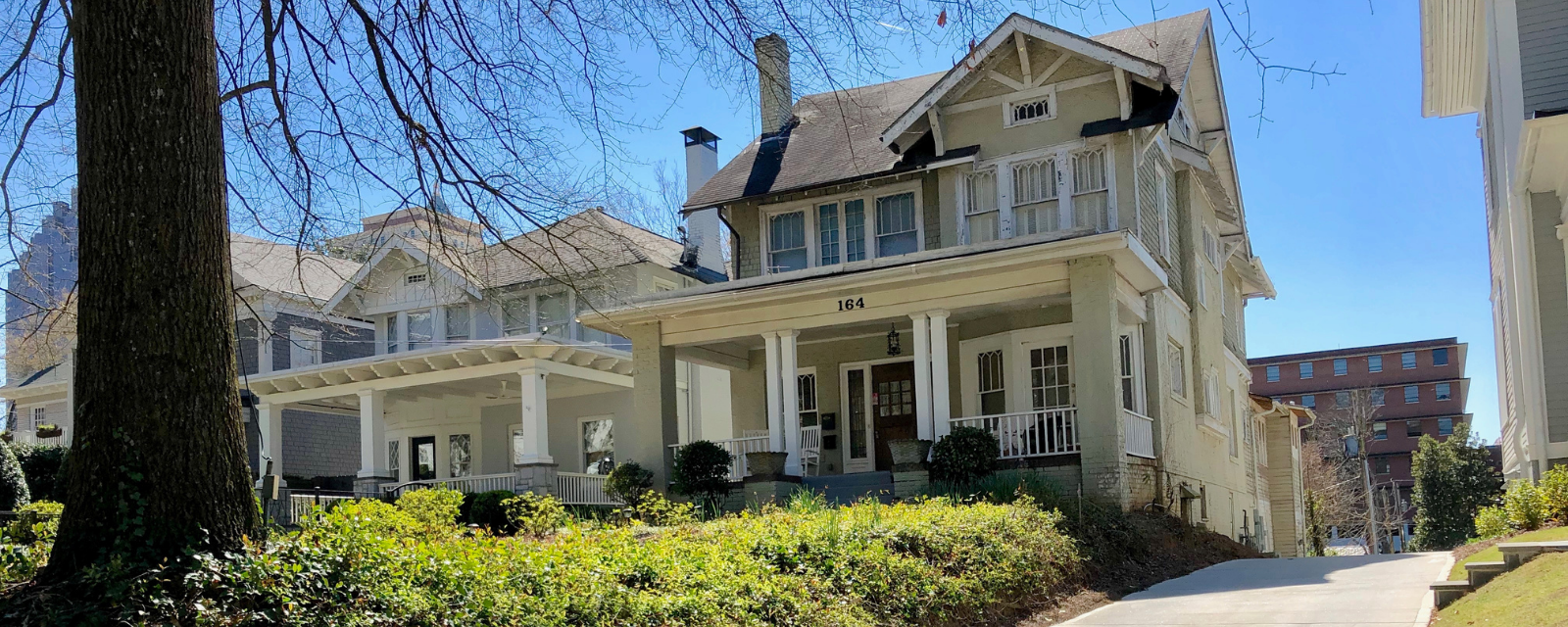
Peachtree Circle’s proposed historic district made it through every formal review. Then it reached the Atlanta City Council and ran into a requirement that is not written in the city’s preservation ordinance.
District 6 Councilmember Alex Wan wants support from two-thirds of the affected property owners before he moves the legislation forward.
On Aug. 24, the council’s Zoning Committee placed the proposal on hold at Wan’s request. He said he would reintroduce it if supporters reached that threshold by Sept. 8. Wan acknowledged to Rough Draft Atlanta that a supermajority is not legally required. It is a standard he uses for historic district proposals in the neighborhoods he represents.
The Discrepancy
The city’s rule and Wan’s rule are different. Atlanta’s ordinance allows a historic district nomination to begin when owners of at least 10 properties, or 10 percent of the properties in the proposed district, sign on, whichever number is smaller.
Eleven Peachtree Circle property owners submitted the application in June 2025. That was enough to start the city’s formal process.
Six community meetings followed. The Ansley Park Civic Association’s zoning committee found the proposal consistent with the neighborhood master plan on July 27. NPU-E supported it in early August, city preservation staff recommended approval and the Zoning Review Board voted 6-0 to advance it.
Then the proposal was held because it had not met Wan’s separate two-thirds standard.
Supporters said at the Aug. 24 meeting that 40 tax-paying residents backed the designation. But the number they must reach remains difficult to confirm publicly. Each unique parcel in Fulton County tax records receives one vote, including parcels inside multifamily buildings. The final parcel count has not been published.
The deadline is clear. The denominator is not.
What a local historic designation would change
Ansley Park has been listed on the National Register of Historic Places since 1979, but that federal recognition generally does not stop a private owner using private money from demolishing or changing a house.
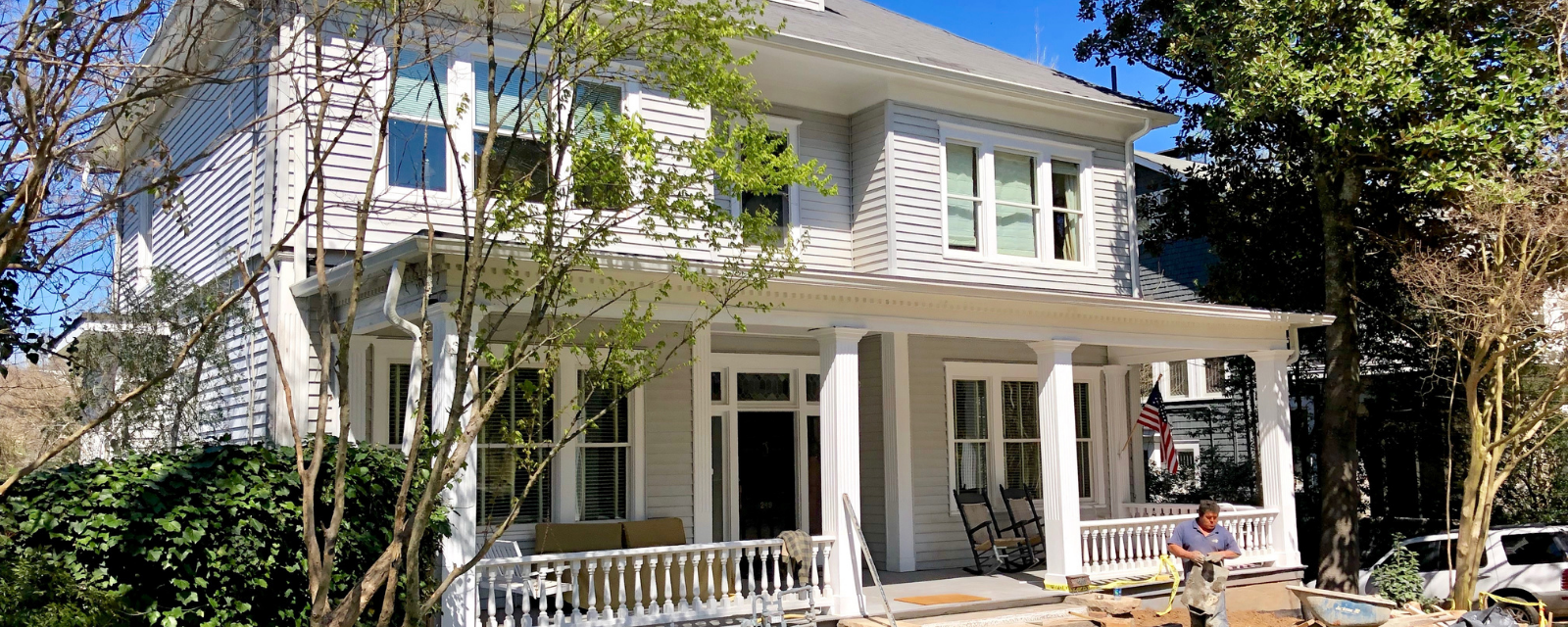
A City of Atlanta historic designation would add local review. Owners would need a certificate of appropriateness before demolishing a contributing structure, building something new or making regulated exterior changes. It would not mean the city controls ordinary interior work that does not affect the exterior.
The urgency increased after the century-old American Craftsman house at 205 Peachtree Circle was demolished. The city approved that permit before a temporary moratorium on additional Ansley Park demolitions took effect.
Preservation staff say replacement homes are often built closer to the street or property lines than the older houses, changing the established look and spacing of Peachtree Circle. The proposed district was written to address that change.
It would cover Peachtree Circle between Beverly Road and 15th Street. City staff identified 60 contributing structures built primarily between 1888 and 1934 or reflecting the character of that period.
The opposition is also asking a real question
Some property owners are worried about home values, additional construction costs and how much control they would retain over exterior changes.
Resident Drew Gandy asked the Zoning Review Board for a 60-day delay so he could pay for an independent appraisal of the designation’s potential effect on property values. The board denied that request and advanced the proposal.
Wan has pointed to Ansley Park’s history of conflict over preservation. At least three designation attempts have been made since he took office in 2010. A broader proposal covering the neighborhood collapsed after litigation in 2022.
This proposal covers one street, but the political standard remains the same.
Requiring broad neighborhood support may be a reasonable political position. The problem is that residents should know the rule before they spend a year moving through the city’s review process. If two-thirds support is going to determine whether a historic district reaches a council vote, that threshold should be written down, the eligible parcels should be counted and everyone should know what qualifies as support. A preservation decision this permanent should not depend on an unpublished rule applied after every formal review is complete.


