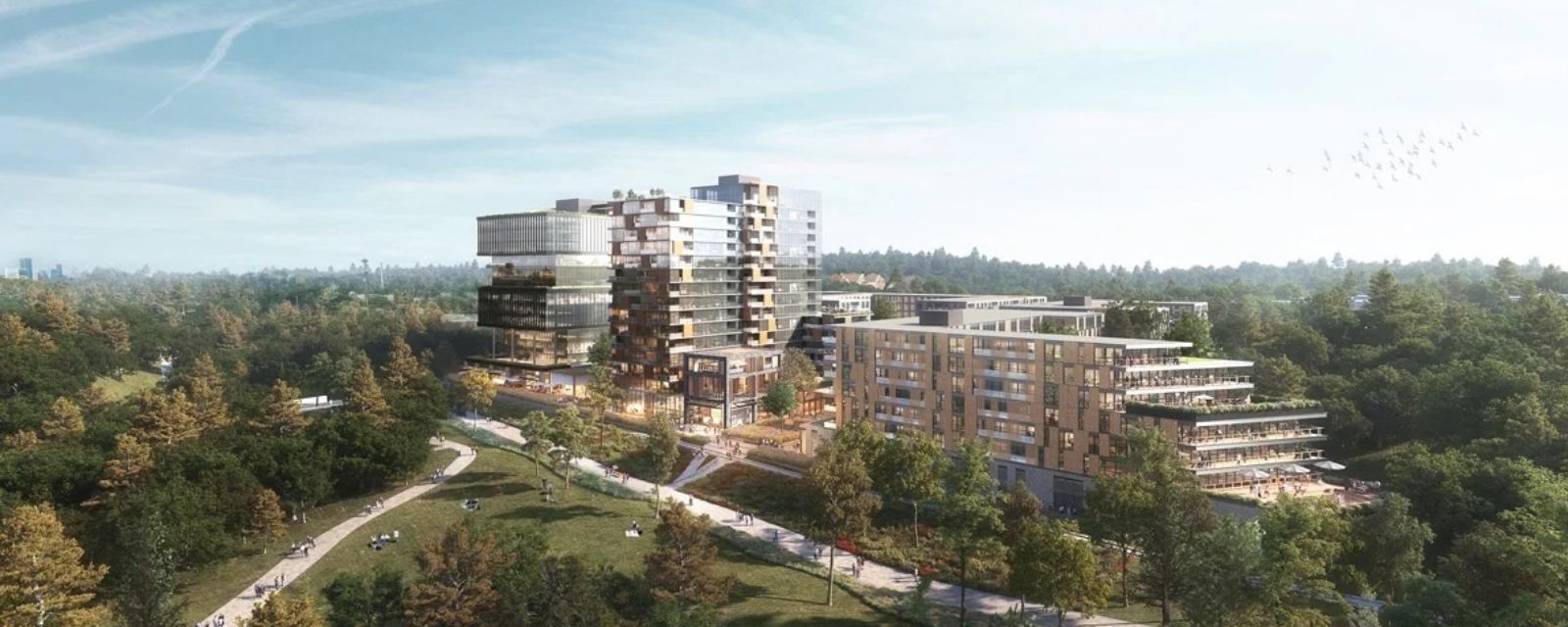
When we last reported on Amsterdam Walk, the question was what Portman Holdings would build beside Piedmont Park after years of revisions and neighborhood pushback. Now the project has another public financing approval, a revised first-phase apartment count, and a later completion target.
At Trestletree Village, the question has also moved forward. Wingate Companies now owns the two apartment communities beside the Southeast Trail. Its next challenge is rebuilding 188 subsidized homes while people are still living there.
Invest Atlanta backed both projects on September 17. They involve different residents and different kinds of housing, but both deserve a closer look at what the public support is meant to deliver.
Trestletree: The purchase closed. Now residents face the moving plan.
Trestletree Village has 188 project-based Section 8 apartments across two parcels: 80 in Grant Park and 108 in Ormewood Park. Wingate closed on both properties in August, moving the redevelopment past the purchase stage.
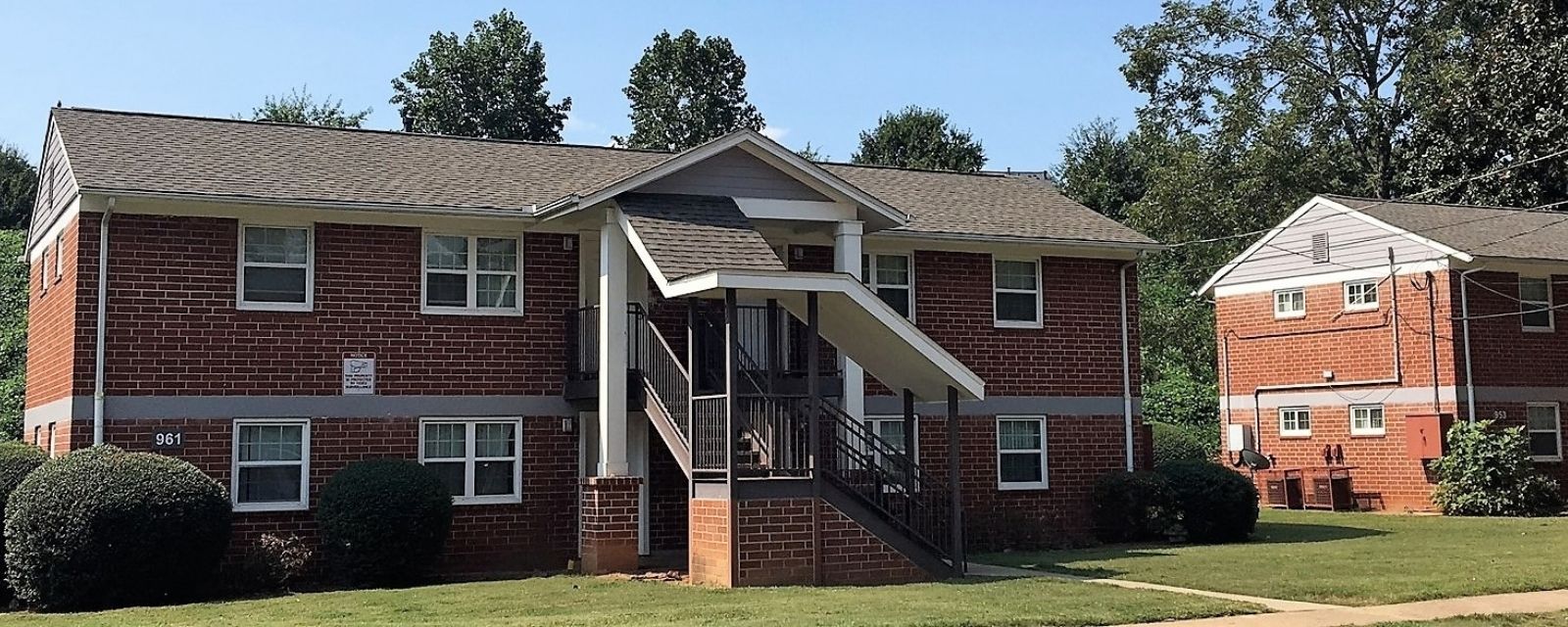
Invest Atlanta approved $29 million in bond financing and a separate $2 million Beltline Tax Allocation District grant. The grant and the bond are not the same kind of public support. A TAD directs growth in property-tax revenue within its boundaries toward eligible improvements. We have explained how TADs work in our reporting on another Invest Atlanta-backed housing project, though that project is in the Westside TAD, not the Beltline TAD.
Wingate plans to preserve all 188 subsidized apartments in the first new building on the Ormewood Park side. That 208-unit building would also include 10 additional workforce or affordable apartments and 10 market-rate apartments.
Preserving the subsidy does not answer every resident concern. Today, the subsidized homes are on both sides of the trail. Under the current plan, they would be together in one building on the south side. The tenants association has pushed for a binding agreement addressing residents’ interests, while neighborhood groups have debated the placement of the replacement homes.
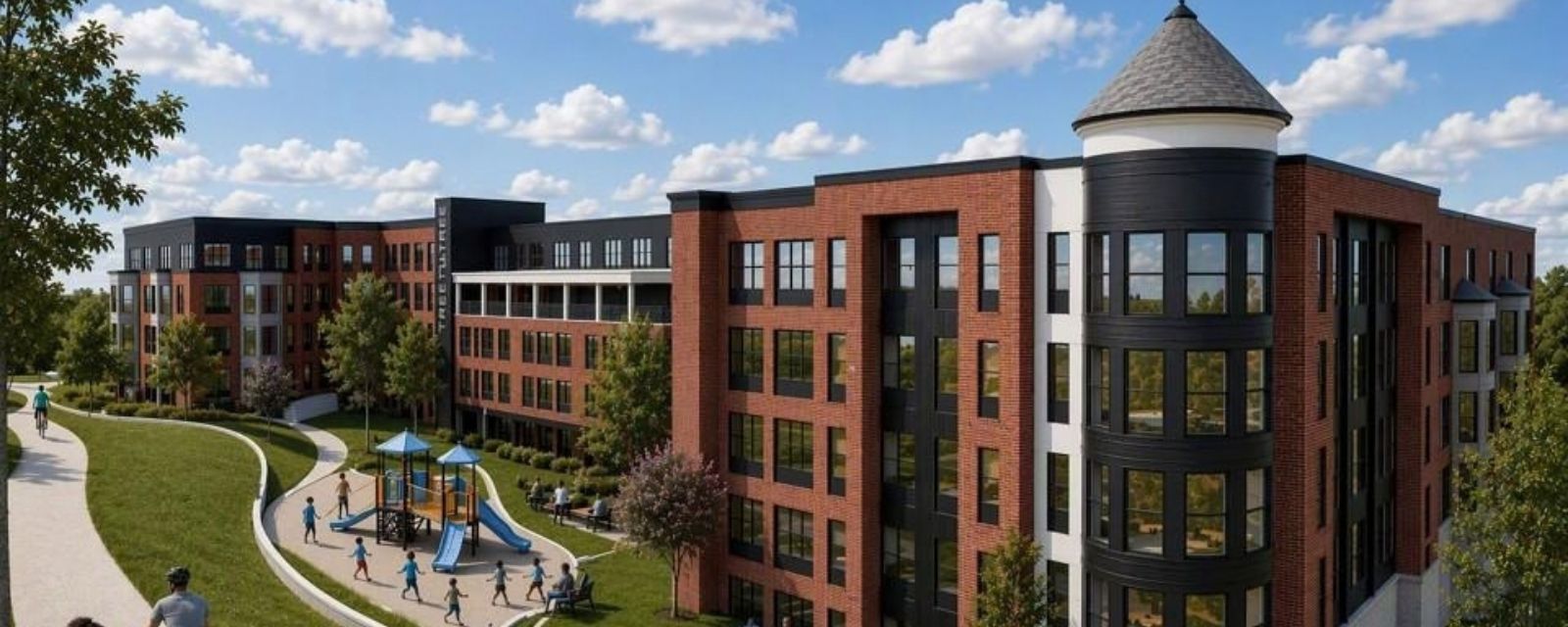
There is also a move before the final move. Wingate says roughly 40 families on the south parcel will relocate temporarily into vacant Trestletree apartments so construction can begin. The company says it will cover packing, storage and movers, does not expect residents to move off-site, and will allow current residents into the new building without requiring them to re-qualify. Demolition and construction are targeted for January 2028, with the first building targeted to open in December 2029. Those details come from Wingate’s latest project update.
The next thing to watch is not another approval. It is whether the relocation promises become specific, enforceable terms residents can rely on.
Amsterdam Walk: The plan changed, and the public cost is clearer.
Our May report on Amsterdam Walk described a first phase of 666 apartments based on the filings available then. It also recapped the rezoning fight we had covered on video in 2025.
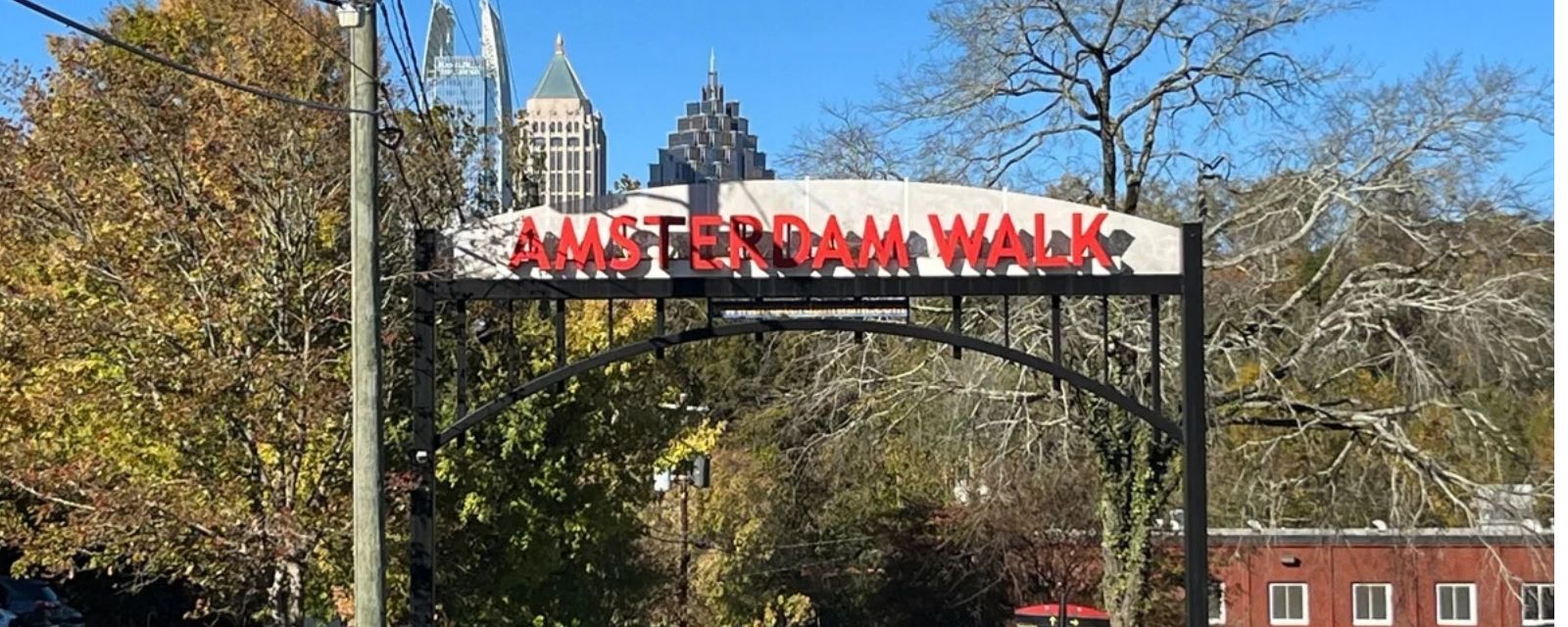
The September update is not another rezoning vote. Invest Atlanta approved a lease-purchase bond arrangement projected to reduce Portman’s property taxes by about $14.8 million over ten years. That arrangement covers 539 apartments, 39 of which would be restricted at 80 percent of Area Median Income.
Those 39 are not the project’s entire affordable-housing plan. Portman now describes approximately 674 apartments in the first phase, including 174 income-restricted homes. The other 135 restricted apartments are tied to an earlier financing package that included a $2 million Beltline TAD grant. Keeping the two packages separate shows what the new decision adds, rather than crediting it with every restricted apartment planned for the site.
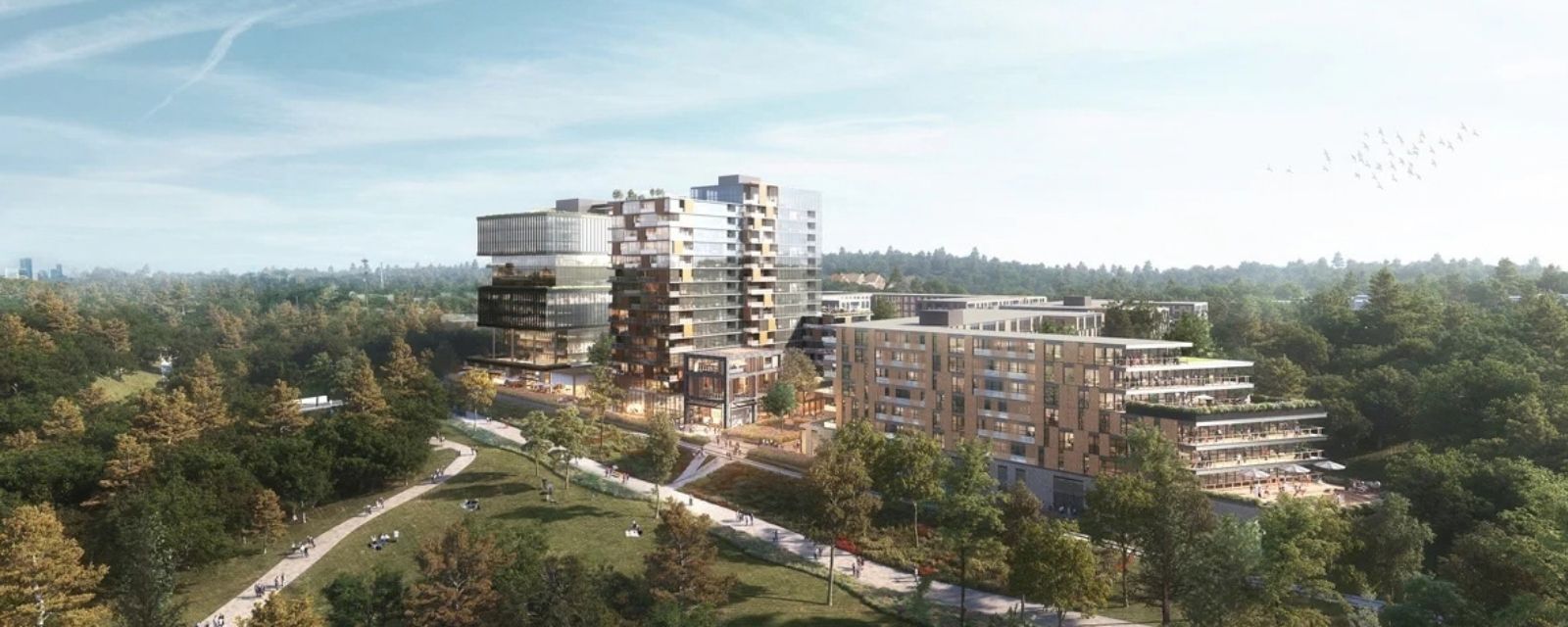
The proposed rents for the 39 homes in the newest deal range from $1,768 to $2,451 per month, depending on the unit. Portman says the affordability restrictions will last for two consecutive 99-year periods. The company now targets a spring 2027 construction start and summer 2029 completion for phase one. That replaces the earlier 2028 opening projection in our May story; it remains a target, not an opening date. The updated counts, rents and schedule were reported from the financing documents and Portman’s responses.
The project is still expected to pay about $39.3 million in property taxes over the first ten years. Without the new arrangement, the projection is about $54.2 million. Those are estimates, not revenue already collected or lost. Approximately $7 million of the projected difference would otherwise have gone to Atlanta Public Schools. That school-tax estimate was raised during the Invest Atlanta debate.
The useful question is no longer simply whether these developments should happen. Amsterdam Walk has its zoning approval, and Wingate owns Trestletree. The decisions now are about execution and public return.At Trestletree, that means judging the deal by residents’ actual moves, their ability to return, and the terms they can enforce, not only by whether the number 188 appears in the finished plan. At Amsterdam Walk, it means judging each financing package against the apartments it supports, the rents people will actually be offered, and the projected tax revenue the city and schools give up. An 80 percent AMI designation does not, by itself, tell a renter whether an apartment is within reach. We have explained that distinction in our reporting on another income-restricted development. We have covered Invest Atlanta approvals before. An approval tells us what public support has been committed. These two projects are now at the harder stage: showing what that support produces for the people who already live here and the people who hope to.


