Atlanta's Blight Tax Collected Nothing. Five Westside Addresses Are the New Test.
Atlanta passed a blight-tax ordinance and never built the program to run it. Five Westside addresses later, the Dickens administration is asking City Council for permission to begin condemnation proceedings instead.
September 7, 2026 · Mellanda Reese
About This Short
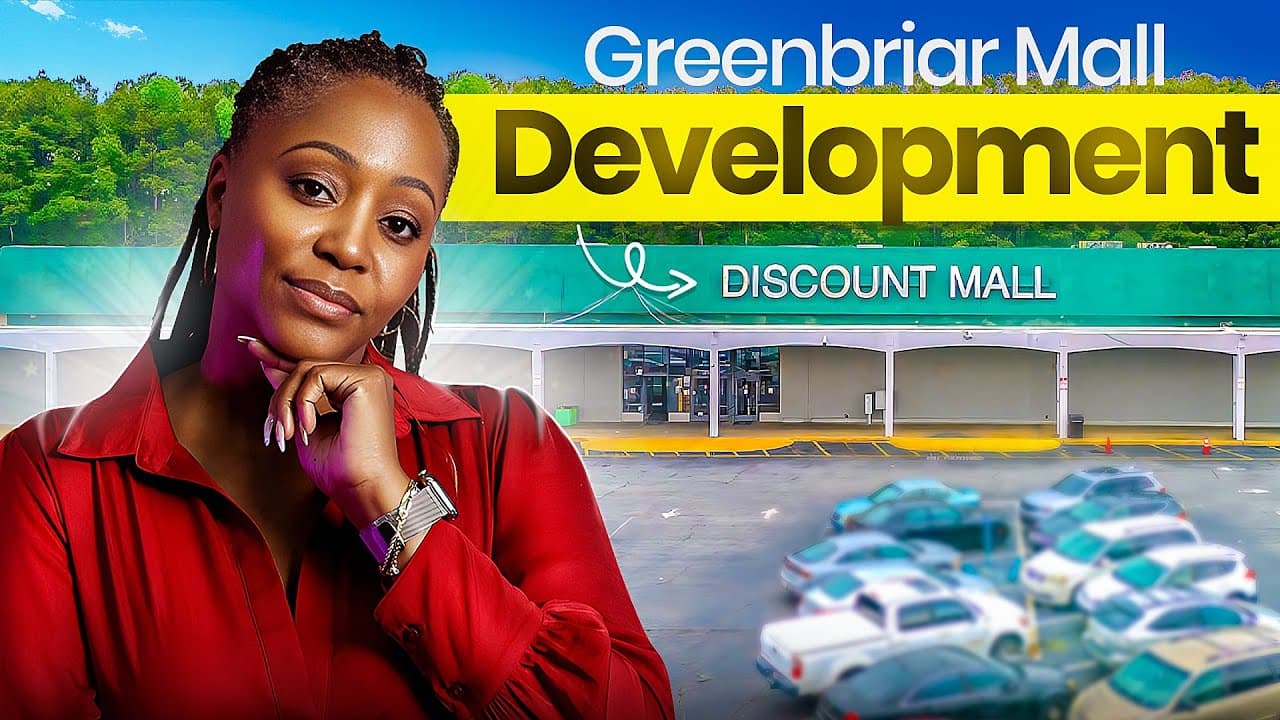
Five properties on Atlanta's Westside have stayed blighted through years of traditional code enforcement: 533 English Avenue, 748 Neal Street, 293 Sunset Avenue, 699 Joseph E. Boone Boulevard and 2795 Donald Lee Hollowell Parkway. The Dickens administration has asked City Council to authorize condemnation proceedings involving those five addresses.
The wording on that request matters more than the headline number of properties does. The city has asked for permission to begin a process. These properties have not been seized. If eminent domain ultimately became necessary, it would have to move through Georgia Superior Court.
What makes this worth your attention is the tool the city was supposed to be using instead. Atlanta approved a blight-tax ordinance that can dramatically increase taxes on qualifying vacant and abandoned properties. A city audit this year found Atlanta still had not established a formal program to actually implement it. The ordinance exists on paper. The machinery to run it does not.
So the pattern reads like this: code enforcement did not move these blocks, the tax designed to make sitting on them expensive was never operationalized, and the administration is escalating to one of the strongest legal options it has. That is a city switching from a policy instrument to a list of named addresses.
My read, after watching how long these particular corridors have carried vacant buildings, is that naming addresses is the part that changes behavior. A tax nobody administers is a rumor to a property owner. A council authorization attached to your parcel number is a phone call to your attorney. The risk is the opposite failure, a city that reaches for condemnation because it is easier than finishing the program it already passed. Both things can be true, and the honest question for residents on these five blocks is whether the Superior Court route actually ends with something built, or just with a longer file.
The question the city has effectively put on the table: should Atlanta use condemnation more aggressively when a property stays blighted for years?
ATL Vibes & Views
New to the Channel?
We cover Atlanta's development, real estate, and culture. 56K followers — new content every week.
Browse the Library →More from ATL Vibes & Views
Keep Discovering Atlanta
Atlanta in Your Inbox
The A-List — weekly intel on Atlanta's development, real estate, and culture. No spam. Unsubscribe anytime.